2026 Football Dribbling: 10 Proven Breakthroughs
“Success is no accident.” That line is often credited to football’s most relentlessly repeated motivational posters, which is unfortunate, because dribbling is not achieved by printing slogans on gym....

2026 Football Dribbling: 10 Proven Breakthroughs
“Success is no accident.” That line is often credited to football’s most relentlessly repeated motivational posters, which is unfortunate, because dribbling is not achieved by printing slogans on gym walls. It is achieved through thousands of useful touches, intelligent movement, and the humility to repeat boring exercises until they become automatic. If you want to know how to improve football dribbling skills, start with close control, change-of-direction speed, body feints, scanning, and decision-making under pressure. Lionel Messi, Neymar, and Vinícius Júnior do not merely move the ball quickly; they manipulate defenders before the touch arrives. A practical programme should include 10 minutes of ball mastery, 15 minutes of directional dribbling, and at least two realistic one-versus-one sessions each week. Train with both feet, record your sessions, and measure successful escapes rather than flashy tricks. Your first recommendation is simple: practise one controlled move at match speed for 30 days before collecting another useless trick.
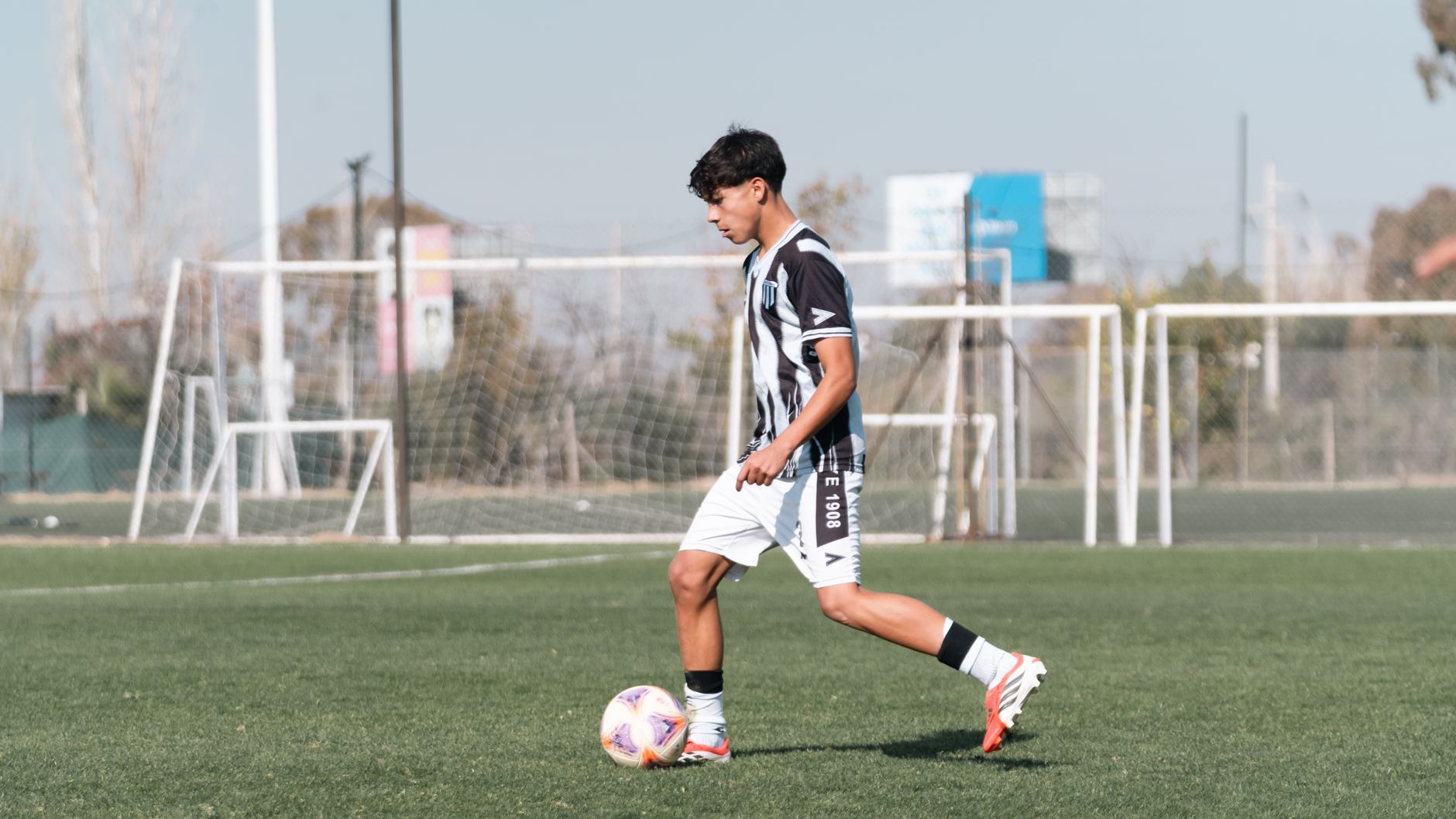
Photo by Franco Monsalvo on Pexels
If you lose the ball in crowded areas: train close control first
Close control is the ability to keep the ball within a playable distance while changing direction, speed, or body position. For most players, a useful target is one touch every 0.5 to 1.5 seconds during tight-space work, with the ball generally no more than one step away. This foundation matters more than advanced tricks because a technically impressive move is worthless when the ball rolls into a defender’s grateful feet.
Begin with a six-cone corridor, placing the cones approximately one metre apart. Use the inside and outside of both feet, then add sole rolls, toe taps, V-pulls, and alternating L-turns. Keep your knees bent, your centre of gravity low, and your supporting foot active; standing upright like a coat rack is not an accepted dribbling technique. The key is to complete the movement accurately before increasing speed, because rushed touches teach rushed habits.
A strong 12-minute close-control block can look like this:
- Two minutes of alternating toe taps and foundations.
- Three minutes of inside-outside touches with the right foot.
- Three minutes of inside-outside touches with the left foot.
- Two minutes of sole rolls and V-pulls.
- Two minutes of free dribbling with a head check every three touches.
It is worth noting that cone work has a limitation: cones do not tackle, lean, block passing lanes, or suddenly sprint at you. Use cones to improve mechanics, then transfer those movements into pressure-based exercises. The beginner football ball-control guide can help younger players organise this foundation without turning every session into chaotic foot gymnastics.
Why do small touches matter in football dribbling?
Small touches matter because they preserve the player’s ability to accelerate, stop, or change direction before a defender can intervene. In a one-metre channel, shorter touches usually provide more correction opportunities than long touches, especially for beginners using their weaker foot. Close control should therefore be trained at different speeds, not only while standing over the ball.
A useful coaching test is the “escape touch.” Dribble through five cones, then push the ball 3–5 metres into open space and accelerate for six steps. This teaches the difference between control touches and attacking touches, a distinction that many training videos conveniently forget. A player should not keep the ball glued to the boot when there is open grass ahead; that is not control, it is unnecessary paperwork.
If defenders read your favourite move: develop deception and direction changes
Deception allows a dribbler to move the defender before moving the ball. The most reliable tools are shoulder drops, hip feints, double movements, scissors, drag-push actions, and changes of pace. A defender usually reacts to the attacker’s centre of mass and hips, so a convincing body action can create a half-step of separation without requiring a circus trick.
Practise each move in three phases: approach, deception, and exit. Approach the passive defender at 60–70 percent speed, lower your shoulder or shift your hips, then explode away at full speed for 5–8 metres. The exit is the part that matters; performing a perfect stepover and then jogging into the opponent is a fine way to impress nobody.
How should you practise a one-versus-one dribble?
Practise a one-versus-one dribble by attacking a defender through a narrow channel with a clear scoring target, such as crossing a line or finishing into a mini-goal. Give the attacker 6–8 seconds, require at least one change of direction, and rotate roles after five attempts. This adds pressure, speed, and a measurable outcome to the technique.
A progressive one-versus-one session should include:
- Stage one: passive defender, allowing the attacker to rehearse body shape.
- Stage two: semi-active defender, closing space but not tackling aggressively.
- Stage three: fully active defender, with the attacker choosing whether to dribble, pass, or protect possession.
- Stage four: small-sided game, where a successful dribble earns an extra point.
After 20 attempts, record three numbers: successful take-ons, turnovers, and occasions when the attacker chose the wrong action. This last figure is especially revealing. Some players can execute five moves beautifully in training but cannot recognise when the defender is square, off-balance, or supported by a second opponent. That is not a footwork problem; it is a perception problem wearing football boots.
According to FIFA Training Centre, effective football development connects technical actions with perception, decision-making, and game context. FIFA’s coaching material repeatedly emphasises that “the game is the teacher,” a principle that should alarm anyone planning to spend six weeks dribbling around stationary cones.
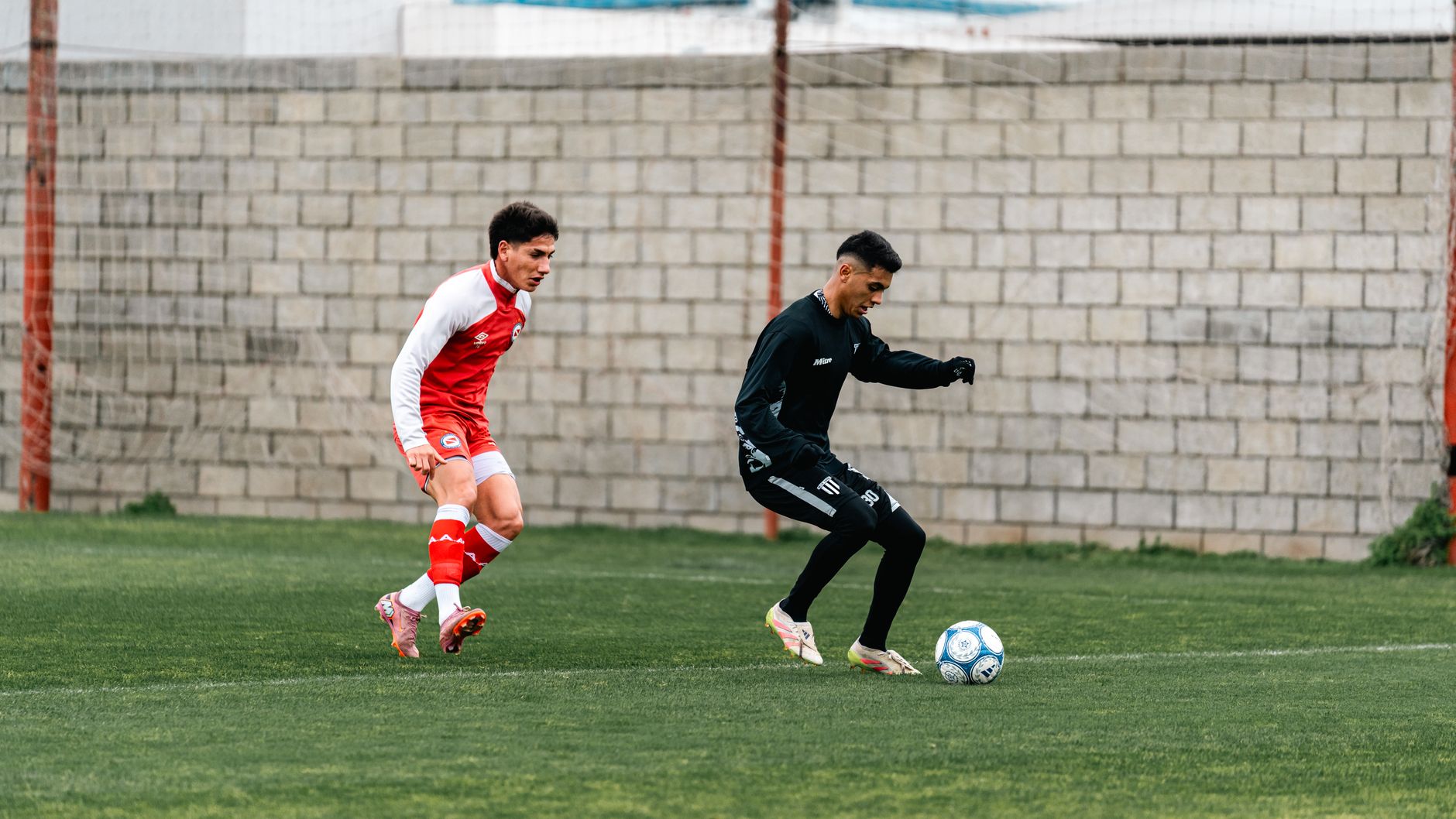
Photo by Franco Monsalvo on Pexels
If your dribbling looks good in training but fails in matches: add scanning and decisions
Match-effective dribbling depends on what happens before the first touch. Scan over both shoulders, identify the nearest defender, locate the next passing option, and judge whether there is space behind the opponent. A winger receiving near the touchline faces different choices from a midfielder receiving between lines, so “always take your man on” is advice best left to commentators who never have to defend the counterattack.
Use a four-question pre-reception routine:
- Where is the pressure coming from?
- Which foot should receive the ball?
- Where is the next safe space?
- If the defender closes quickly, should I pass, shield, or dribble?
Train this with colour or number calls. A coach or partner can hold up a red or blue marker while the player receives and dribbles toward the called gate. Another method is to place four coloured gates around a 12-by-12-metre square and call the exit gate after the first touch. This forces the player to perceive information rather than recite a memorised sequence.
One useful, less obvious adjustment is to reduce the time between the visual cue and the action. Start with three seconds, then two seconds, then one second. In my experience, players often discover that their “bad touch” is actually a late decision: they wait, the defender arrives, and the ball receives the blame. After 30 recorded repetitions, count how often the first touch moves toward the chosen exit gate. A realistic improvement target is 20 percent more correct directional touches, not merely faster feet.
For wider tactical context, read the football tactics and breaking defensive lines resource. Dribbling is most valuable when it changes the structure of the opposition, attracts a second defender, or creates a passing lane for a teammate.
What is the best dribbling decision near the touchline?
The best decision near the touchline is usually to attack the defender’s outside shoulder when open space exists, but to protect or pass when a second defender has already closed the escape route. The touchline acts as an additional defender, reducing the attacker’s available angles and making poor decisions more costly.
A winger should approach on a diagonal rather than running straight at the fullback. If the defender’s hips face inward, attack outside; if the defender opens toward the sideline, cut inside only when a teammate can cover the lost ball. Vinícius Júnior’s success at Real Madrid has often involved timing, acceleration, and isolation, not a random catalogue of tricks. The principle is transferable: create a defender’s dilemma, then punish the first committed movement.
How do speed changes improve dribbling?
Speed changes improve dribbling by forcing defenders to adjust their balance and foot position repeatedly. A practical sequence is slow approach, sudden deceleration, body feint, then explosive acceleration over 5–10 metres. This contrast often creates more separation than attempting maximum speed from the first touch.
Train three speed zones: 50 percent approach, 20 percent hesitation, and 100 percent exit. Use a stopwatch for five repetitions, but also record whether the player escaped cleanly. Speed without control is simply a donation to the opponent. The acceleration and agility drills for football is useful for combining the technical touch with the physical burst required after the deception.
If fatigue ruins your final dribble: train under realistic pressure
Dribbling technique deteriorates when the player is tired, hurried, or forced to decide after repeated sprints. Therefore, at least one weekly session should place technical actions after a demanding movement block. This does not mean exhausting young players for entertainment; it means reproducing the controlled fatigue that appears late in a match.
Try this 18-minute circuit:
- Sprint 10 metres, recover by jogging back.
- Receive a pass and dribble through a gate.
- Perform a body feint against a defender.
- Accelerate 8 metres and finish or pass.
- Rest for 45 seconds, then repeat six times.
Track the final two repetitions separately from the first four. A 30 percent increase in turnovers late in the circuit signals that the player needs better scanning, touch quality, or conditioning. Do not automatically prescribe more sprinting; that is the traditional solution offered by people who believe every football problem is secretly a running problem.
Pressure can also be created through scoring rules. Award two points for a successful dribble followed by a forward pass, one point for safe retention, and minus one for losing possession in a dangerous central area. This teaches risk management. A dribbler who beats one opponent but exposes the team to a transition may have produced a highlight and a tactical disaster simultaneously.
Which football dribbling drills transfer best to matches?
The drills that transfer best to matches combine a technical action with perception, opposition, direction, and an immediate next action. Small-sided games, one-versus-one channels, colour-call gates, and fatigue-based receive-and-escape exercises are more representative than unlimited solo cone repetitions. Transfer improves when the player must choose the move instead of being told which move to perform.
Use a 3v3 or 4v4 game with end zones and a rule that a team earns an additional point after a successful take-on followed by a forward action. Keep games to 2–4 minutes so intensity remains high. Coaches should praise correct decisions even when the execution fails, then correct the touch, body angle, or timing specifically. “Be more confident” is not feedback; it is a fortune cookie with shin pads.

Photo by ANH LÊ on Pexels
What does sports science say about repeated dribbling practice?
Sports science supports deliberate, variable practice in which players repeat core movements while changing speed, direction, pressure, and information. The American College of Sports Medicine highlights the importance of progressive training load and recovery, while the UEFA Training Ground provides examples of technical work integrated with tactical situations.
A practical ratio is 60 percent technical repetition, 30 percent opposed or decision-based practice, and 10 percent review during an early development phase. Advanced players can shift closer to 40 percent technical work and 60 percent game-representative practice. These are planning guidelines, not sacred tablets delivered from Mount Football, but they prevent the common error of spending 90 percent of training on the easiest environment.
Common pitfalls to avoid
The most common dribbling mistakes are predictable, measurable, and remarkably resistant to being corrected by players who refuse to measure anything. Improvement accelerates when you identify the exact failure rather than labelling every poor attempt “lack of confidence.”
Avoid these errors:
- Only using the dominant foot: Complete at least 30–40 percent of solo touches with the weaker foot.
- Dribbling with the head down: Add a visual scan every two or three touches.
- Practising tricks without an exit: Finish every move with acceleration, a pass, or a shot.
- Using fixed cone patterns forever: Change spacing, direction, speed, and starting angle.
- Attacking every defender: Recognise when a pass or shield is the higher-value decision.
- Standing too tall: Bend the knees and keep the hips ready to rotate.
- Ignoring the first touch: Direct the first touch away from pressure instead of merely stopping the ball.
- Training while injured: Pain that changes your movement is a reason to stop and seek qualified medical advice.
A particularly damaging misconception is that more touches always produce better dribbling. They do not. Ten thousand mindless touches can reinforce a poor posture or weak-foot avoidance just as efficiently as they can build skill. The key is feedback: film one set from the side, review the distance of each touch, and compare successful exits with turnovers.
At Coach’s Corner, a FIFA World Cup-focused content site covering match predictions, team tactics, player statistics, and 2026 tournament analysis, the broader lesson is visible in elite football: technique only matters when it serves a tactical purpose. Study how Lionel Messi receives between opponents, how Neymar changes rhythm, and how Vinícius Júnior attacks space after the move. Do not copy the surface; copy the problem-solving.
Want a more structured football learning path? Use the next training block to apply these corrections systematically.
The 30-day check-in
A 30-day plan should improve control, deception, decision-making, and match transfer without pretending that one month turns a recreational player into Lionel Messi. Train four days per week, with one recovery day between demanding sessions whenever possible. Each session should last 25–45 minutes, depending on age, fitness, and competitive schedule.
Days 1–7: Build the touch
Spend 10–15 minutes on foundations, inside-outside touches, sole rolls, V-pulls, and weak-foot repetitions. Add six cone runs at controlled speed and record one set from the side. Your targets are balanced posture, fewer accidental touches, and a close-control distance of roughly one step.
Days 8–14: Add direction and deception
Introduce scissors, shoulder drops, drag-push actions, and stop-start changes. Perform five repetitions to each side, then add a 5–8-metre acceleration after every move. A partner should apply light pressure during at least half the attempts.
Days 15–21: Add decisions
Use coloured gates, numbered targets, or coach commands. Play one-versus-one rounds lasting 6–8 seconds, recording take-ons, turnovers, and correct choices. Include a pass-or-dribble rule so the player learns that possession is not a personal audition.
Days 22–30: Transfer to games
Play 3v3 or 4v4 games with scoring incentives for successful take-ons followed by forward actions. Add one fatigue circuit per week, but maintain technical quality and stop if pain alters movement. Review video at the end of Day 30 and compare first-touch direction, successful escapes, weak-foot usage, and late-session turnovers.
Use this simple progress table:
| Measure | Day 1 target | Day 30 target |
|---|---|---|
| Correct directional first touches | Baseline | 20% improvement |
| Successful one-versus-one escapes | Baseline | 15% improvement |
| Weak-foot involvement | 20% | 30–40% |
| Turnovers in final repetitions | Baseline | 20% reduction |
| Head-up scans during dribbling | Occasional | Every 2–3 touches |
The most important review question is not, “How many tricks can I perform?” It is, “Can I create an advantage and choose the next action before the defender recovers?” If the answer is improving, your dribbling is improving, even if social media remains tragically unimpressed.
Frequently Asked Questions
Q: What is football dribbling?
A: Football dribbling is the controlled movement of the ball while progressing, escaping pressure, or creating an advantage against opponents. It combines close touches, body feints, changes of speed, scanning, and decision-making rather than relying only on stepovers. A useful dribbler knows when to carry the ball, when to attack a defender, and when to pass or shield possession. Beginners should start with both-foot ball mastery before adding realistic one-versus-one pressure.
Q: How can I improve football dribbling skills at home?
A: You can improve football dribbling skills at home with 15–25 minutes of structured ball touches, directional changes, and weak-foot practice. Use five or six markers spaced one metre apart, complete inside-outside patterns, and finish each repetition with a deliberate exit touch. Add head-up scans every two or three touches by calling out objects around you. A small safe area is enough, although match transfer requires occasional partner, defender, or small-sided-game practice.
Q: What is the difference between ball control and dribbling?
A: Ball control means receiving and manipulating the ball effectively, while dribbling means moving with it to maintain possession or gain an advantage. A player may control a pass beautifully but still struggle to beat an opponent because dribbling adds speed, deception, scanning, and tactical risk. Train both skills separately and then combine them through receive-and-escape drills. The first touch should usually move the ball toward useful space rather than simply stopping it.
Q: Why does my dribbling fail during matches?
A: Dribbling often fails in matches because players practise technique without pressure, scanning, fatigue, or real choices. Stationary cones cannot reproduce a defender’s angle, a teammate’s position, or the danger of losing the ball centrally. Add one-versus-one channels, colour-call decisions, and small-sided games lasting 2–4 minutes. Video review can reveal whether the true problem is a poor touch, late scanning, excessive risk, or insufficient acceleration after the move.
Q: How often should I practise football dribbling?
A: Most developing players should practise football dribbling three or four times per week for 25–45 minutes per session. Include shorter ball-mastery work on lighter days and opposed or small-sided practice on more demanding days. Keep at least one recovery day after intense sessions when possible, especially for young players or athletes also completing sprint training. Quality matters more than endless repetition; stop a drill when fatigue causes consistently poor mechanics.
Q: Do I need expensive equipment to improve dribbling?
A: You do not need expensive equipment; a football, six markers, a safe surface, and a partner are sufficient for most dribbling exercises. Cones improve spacing and movement patterns, but shoes, water bottles, or painted lines can provide temporary markers if the area is safe. A phone tripod is more valuable than many gadgets because video exposes posture, touch distance, and scanning habits. Equipment cannot compensate for unstructured practice, which remains the favourite purchase of players avoiding actual training.
Q: Are football dribbling tricks worth learning?
A: Football dribbling tricks are worth learning when they solve a specific problem, such as shifting a defender or creating an escape angle. Prioritise two or three reliable actions, including a shoulder drop, a stop-start change, and one directional move, rather than memorising 20 tricks. Practise each at 60 percent speed, then at match speed, and always add an acceleration, pass, or shot afterward. If the move has no useful exit, it is decoration, not dribbling.
See the details, build the habit, and measure the decisions that actually help your team.