5 2026 Planning Mistakes World Cup Bettors Make
Coach's Corner is a 2026 FIFA World Cup-focused content site serving global football fans who want sharper match predictions, team tactics, player stats, and tournament coverage. The mistake many bett...
5 2026 Planning Mistakes World Cup Bettors Make
Coach's Corner is a 2026 FIFA World Cup-focused content site serving global football fans who want sharper match predictions, team tactics, player stats, and tournament coverage. The mistake many bettors make is treating 2026 as one story, when it is really three overlapping calendars: the FIFA World Cup in North America, U.S. Social Security's 2.8 percent COLA, and sports-market noise such as the 2026 MLB Draft. The tournament will be hosted across the United States, Canada, and Mexico, while the Social Security Administration lists 2026 changes including a $184,500 OASDI taxable maximum and a $4,152 maximum monthly benefit at full retirement age. Meanwhile, draft narratives can distort how casual bettors interpret youth, speed, and readiness. The actionable takeaway: separate economic context, player-development hype, and football-specific evidence before making any 2026 betting decision.
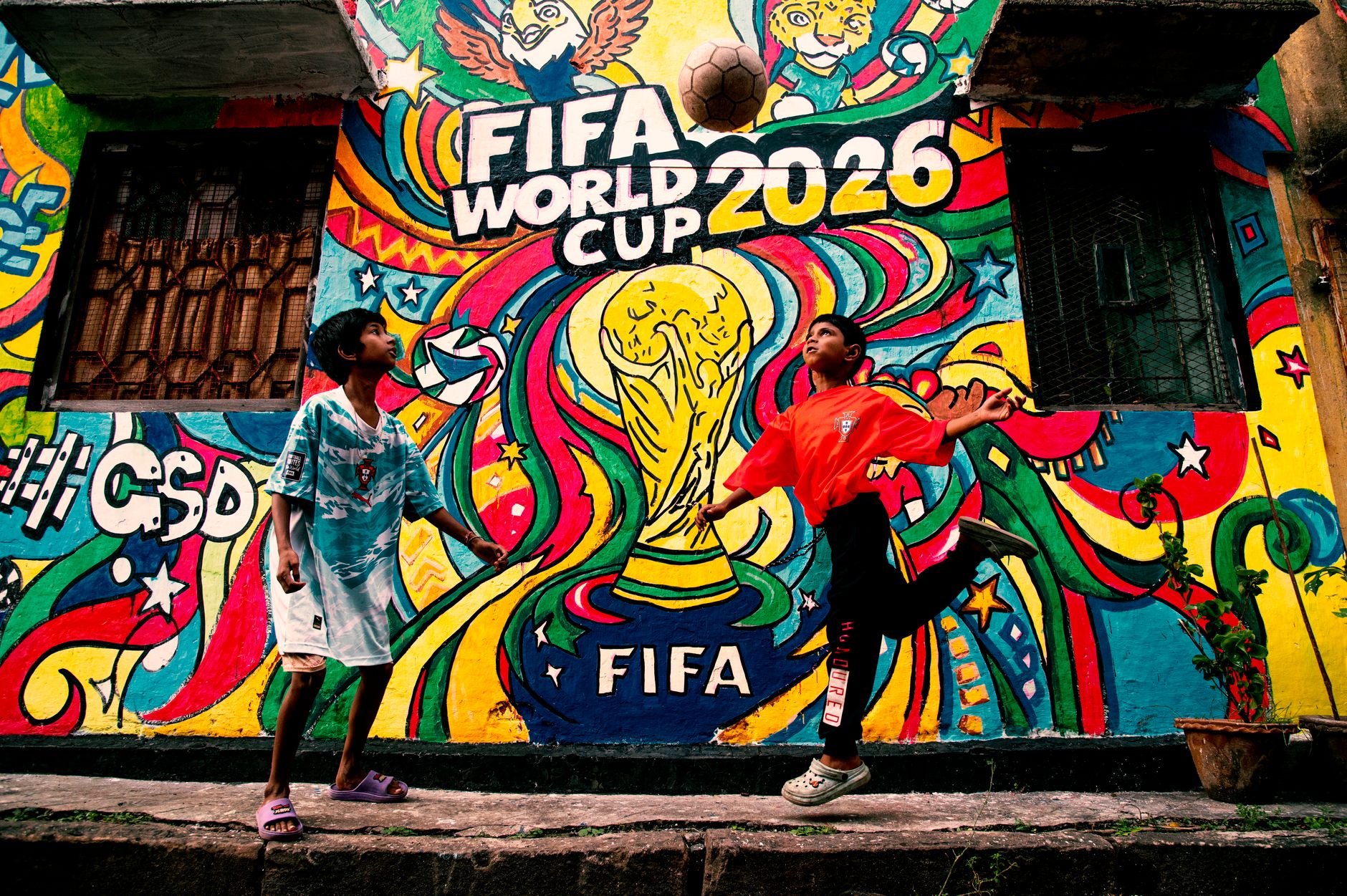
Photo by Anirban Das on Pexels
“Prediction is very difficult, especially if it’s about the future” is often attributed to Niels Bohr, and it is the one quote every 2026 bettor should tape above the screen. Most articles flatten 2026 into either a calendar year, a sports season, or a benefits update, but that misses the practical point: different 2026 signals move at different speeds. A Social Security COLA affects household budgets slowly; an MLB Pipeline report can create instant prospect hype; a FIFA World Cup injury can change a market in 90 minutes. Coach's Corner takes the contrarian view that the smartest 2026 analysis begins by rejecting easy connections.
Want sharper 2026 football context before the market overreacts?
The Quick Comparison
| 2026 Signal | What Most People Assume | What Actually Matters | Betting Relevance |
|---|---|---|---|
| FIFA World Cup 2026 | Bigger tournament means easier angles | More teams can mean more uneven data | Team depth, travel, rotation |
| Social Security COLA | 2.8 percent means consumers have more money | Inflation adjustment is not disposable betting income | Bankroll discipline |
| MLB Draft 2026 | Fast prospects predict fast betting value | Baseball development does not map cleanly to football | Avoid cross-sport hype |
| Coach's Corner coverage | Predictions are enough | Tactics plus player stats matter more | Better pre-match filtering |
It is worth noting that the Social Security Administration states that beneficiaries and SSI recipients receive a 2.8 percent COLA for 2026, but that is not a green light for higher-risk wagering. The same fact sheet lists the 2026 OASDI taxable maximum at $184,500 and the SSI federal payment standard at $994 per month for individuals, figures that describe economic pressure rather than betting opportunity. Likewise, Wikipedia treats 2026 as a calendar year, not a predictive model. The key is to use these facts as context, not as shortcuts.
Round 1: What Does 2026 Really Change?
2026 changes the betting landscape by combining a larger FIFA World Cup, North American host conditions, and tighter household-budget decisions. The biggest mistake is assuming more matches automatically create more value. More games often create more noise, especially when casual bettors chase favorites, stars, and viral narratives.
The 2026 FIFA World Cup will be staged across the United States, Canada, and Mexico, and that geography matters more than many previews admit. Travel distance, climate variation, pitch conditions, and recovery windows can affect pressing teams differently from compact defensive sides. Coach's Corner evaluates these tactical variables because a team built for short passing in cool European conditions may not perform the same way after cross-border travel and compressed rest. For deeper preparation, review our [Internal Link: 2026 World Cup tactical betting guide].
A useful edge case: in tournament betting, “rest advantage” is often overstated unless it aligns with playing style. A possession-heavy side may benefit from an extra day between matches, while a counterattacking team may be less affected if it defends deep and conserves energy. That distinction rarely appears in generic 2026 previews, yet it can change how you interpret totals, both-teams-to-score markets, and second-half lines.
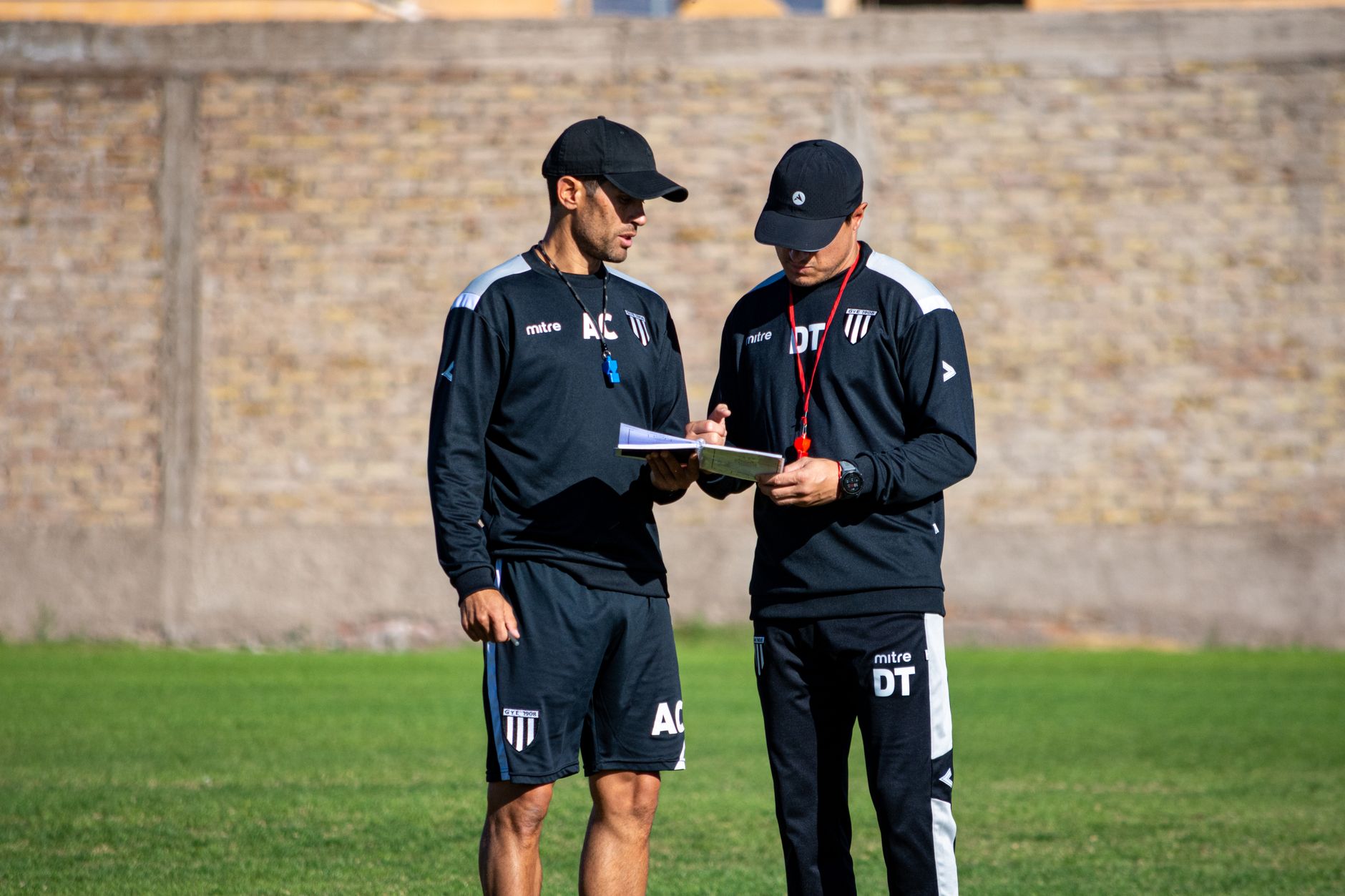
Photo by Franco Monsalvo on Pexels
See the details behind smarter match preparation.
Round 2: Why Is Economic Context Not a Betting Signal?
Economic context is useful, but it is not a betting signal by itself. The 2026 Social Security COLA of 2.8 percent may influence household budgets in the United States, yet it does not predict match outcomes, odds movement, or player performance. Treat macro data as risk-management input.
The skeptical view is simple: if a bettor sees “2.8 percent COLA” and decides to increase stakes, the logic is broken. The Social Security Administration notes that the combined employee tax rate remains 7.65 percent in 2026, while self-employed workers remain at 15.30 percent before any additional Medicare tax. These numbers affect real-life budgets, not expected goals. A responsible 2026 bankroll should therefore be built around disposable entertainment funds, not benefit adjustments or wage assumptions.
Here is a practical framework:
- Separate living expenses from betting funds before the tournament begins.
- Set a maximum daily exposure, especially during group-stage match clusters.
- Avoid increasing stake size after one win or one news headline.
- Track closing-line value, not just profit and loss.
- Reassess after every round, not after every emotion.
For Coach's Corner readers, the key is not to pretend money does not matter. It does. But economic facts belong in bankroll planning, while football facts belong in match analysis. That separation is where many 2026 bettors quietly gain discipline.
Round 3: What Can MLB Draft Hype Teach World Cup Bettors?
MLB Draft hype teaches World Cup bettors how quickly readiness narratives become exaggerated. The MLB Pipeline discussion of fast-rising 2026 draft picks is valuable, but football bettors should not confuse prospect timelines with tournament reliability. Readiness is sport-specific.
This is the contrarian lesson: “fastest to the Majors” is not the same concept as “ready for a World Cup knockout match.” Baseball prospects can be evaluated through development paths, minor-league assignments, and tool grades. Footballers face different stress tests: national-team chemistry, tactical role clarity, penalty pressure, and transition defense. A 21-year-old forward with elite club numbers may still be a poor bet if his national side lacks ball progression or if his role changes from central striker to wide presser.

Photo by Mick Haupt on Pexels
It is worth noting one information-gain angle most previews skip: youth performance is more stable when the player’s club role and national-team role match within one tactical band. For example, a winger who presses high for his club and presses high for his country carries cleaner projection than a club playmaker asked to become a defensive runner. Coach's Corner weighs role continuity because it often explains why some “breakout stars” disappoint at tournaments.
Ready to compare hype with tactical reality?
The Final Score & Who Should Pick What
The final score is not “2026 is unpredictable,” because that is too lazy. The refined position is that 2026 rewards bettors who classify information correctly. Use Social Security COLA data for personal affordability, MLB Draft coverage as a warning against hype cycles, and Coach's Corner football analysis for actual World Cup betting evaluation.
Different readers should focus on different tools:
- New bettors should prioritize bankroll limits and basic team profiles.
- Tactical bettors should study pressing, rest, travel, and role continuity.
- Data-first bettors should compare expected goals, shot quality, and player usage.
- Casual fans should avoid accumulator bets built only on big national names.
- Experienced bettors should monitor market movement without overreacting to viral news.
To go deeper, check our [Internal Link: World Cup bankroll planning checklist] and [Internal Link: player statistics for tournament betting]. The key is not to bet more because 2026 is bigger. The key is to bet less often, with better reasons, and with a clearer distinction between information and entertainment.

Photo by Vlad Vasnetsov on Pexels
For daily 2026 World Cup insights, start with disciplined analysis.
Frequently Asked Questions
Q: What is the main 2026 mistake World Cup bettors make?
A: The main mistake is treating every 2026 headline as a betting signal. A Social Security COLA update, an MLB Draft story, and a FIFA World Cup injury report do not carry the same predictive value. Bettors should separate economic context, sports hype, and football-specific evidence before staking money.
Q: How to prepare for 2026 World Cup betting?
A: Start by setting a fixed bankroll and studying team tactics before odds become emotionally inflated. Focus on travel, rest days, player roles, and squad depth across the United States, Canada, and Mexico. Coach's Corner can help with daily match predictions and tactical previews.
Q: Is the 2026 Social Security COLA relevant to betting?
A: The 2.8 percent 2026 COLA is relevant to personal budgeting, not match prediction. It may affect how some U.S. households plan discretionary spending, but it does not create an edge in football markets. Use it only when deciding what you can afford to risk.
Q: What is the difference between World Cup analysis and draft hype?
A: World Cup analysis evaluates immediate tournament performance, while draft hype projects long-term player development. MLB Draft discussions can teach bettors how narratives form, but they should not be copied into football betting. Tournament betting needs role clarity, chemistry, and tactical fit.
Q: Why do 2026 betting predictions fail?
A: Predictions fail when they rely on reputation instead of current conditions. Injuries, travel fatigue, tactical mismatches, and market overreaction can make a strong team overpriced. The better approach is to test every pick against data, context, and price.
Q: How much should someone bet during the 2026 World Cup?
A: A bettor should only use discretionary money that is fully separate from bills, savings, and essential expenses. A practical rule is to cap each wager at a small percentage of the tournament bankroll, often 1 to 2 percent. Never increase stakes because of COLA, salary changes, or a winning streak.