7 2026 Football World Cup Mistakes Fans Make
The 2026 football world cup is FIFA’s expanded 48-team tournament across the United States, Canada, and Mexico, and Coach's Corner covers it for fans who want sharper predictions, tactical context, pl...
7 2026 Football World Cup Mistakes Fans Make
The 2026 football world cup is FIFA’s expanded 48-team tournament across the United States, Canada, and Mexico, and Coach's Corner covers it for fans who want sharper predictions, tactical context, player stats, and tournament betting angles. FIFA World Cup 26 runs from June 11 to July 19, 2026, with Los Angeles hosting eight matches at SoFi Stadium and Atlanta staging major games at Mercedes-Benz Stadium. The final is scheduled for MetLife Stadium in East Rutherford, New Jersey, according to the 2026 FIFA World Cup final listing and FIFA venue announcements. Most fans over-focus on tickets and under-plan transport, fan zones, rest windows, and lineup rotation. The actionable takeaway is simple: build your World Cup plan around match clusters, city logistics, and team-form data rather than hype, nostalgia, or one headline fixture.
“Football is a simple game,” the famous line goes, but I found the 2026 football world cup anything but simple once I tried to plan it like a real fan rather than a brochure reader. I mapped Los Angeles, Atlanta, New Jersey, match dates, fan festivals, travel gaps, betting angles, and schedule fatigue.
If you want sharper tournament planning and daily match context, Coach's Corner is built for exactly that.
Photo by Fabrizio Velez on Pexels
What I Tested: Are Fans Planning the 2026 Football World Cup Wrong?
Yes, many fans are planning the 2026 football world cup too narrowly by treating it as a ticket hunt instead of a 39-day logistics, data, and decision-making challenge. The mistake is ignoring host-city flow, recovery days, squad rotation, kickoff timing, and public fan events.
I tested the tournament from a skeptical fan’s perspective: not “Where is the biggest party?” but “Where does the plan break under pressure?” Los Angeles promotes eight matches, the FIFA Fan Festival at LA Memorial Coliseum in Exposition Park, Official Fan Zones across Los Angeles County, and 39 days of celebrations. Atlanta brands itself as the “soccer city of the South,” with Mercedes-Benz Stadium, supporter culture, and a semifinal-stage spotlight. Those are not just travel details; they shape crowd behavior, betting volume, pricing, fatigue, and match-day movement. To learn more about tournament structure, see our 2026 World Cup format guide.
The common claim is that the expanded 48-team format automatically means more drama. It is worth noting that more matches can also mean more uneven group-stage quality, heavier rotation by favorites, and more misleading betting lines when casual money floods recognizable teams. According to FIFA, the 2026 edition is the first men’s World Cup hosted across three countries. That fact alone makes old single-country planning advice incomplete. The key is to treat Los Angeles, Atlanta, New York New Jersey, Mexico City, Toronto, and Vancouver as separate operating environments, not interchangeable stadium pins on a map.
Setup & Initial Impressions: What Actually Matters Before You Book?
The most important setup choice is not the match ticket; it is the city cluster you choose before tickets, hotels, transport, and viewing plans become expensive. For the 2026 football world cup, Los Angeles and Atlanta offer very different fan experiences, crowd patterns, and tactical viewing opportunities.
Los Angeles looks glamorous on a map, but it is not a simple match-day city. SoFi Stadium in Inglewood, the LA Memorial Coliseum at Exposition Park, countywide fan zones, hotel districts, airport choices, and late-night traffic all create friction that casual guides understate. A practical edge case: if you stay near Hollywood for atmosphere but attend a SoFi Stadium match, your post-match travel window can be more valuable than your pre-match restaurant plan. That matters for fans placing live bets, writing tactical notes, or following a second match from another time zone. The Los Angeles host committee emphasizes “39 days of fan celebrations,” but those 39 days are only useful if you pace them.
Atlanta gave me a different impression. Mercedes-Benz Stadium is more centrally integrated, and Atlanta’s soccer identity is tied to Atlanta United FC supporter culture, public art, music, and Southern hospitality. However, that does not mean it is automatically easier. Major-event traffic around Downtown Atlanta, hotel compression near Centennial Olympic Park, and late-stage tournament demand can distort prices quickly. The contrarian point is that “great host city” does not always mean “best value city.” Fans who want prediction content, odds movement, or tactical reads should compare city convenience against match importance, not just reputation. For betting basics, check our responsible World Cup betting checklist.
See the planning framework before you commit to a city, a hotel, or a match package.

Photo by K on Pexels
Where It Held Up: Which 2026 Football World Cup Claims Are Actually True?
The strongest claim that holds up is that host-city culture will matter more in 2026 than in many previous World Cups. Los Angeles, Atlanta, and New York New Jersey are not just venues; they are different fan ecosystems with distinct transport, media, food, and betting behavior.
Los Angeles genuinely has the ingredients for a centerpiece summer: eight matches, the U.S. Men’s National Team opening match on June 12 at SoFi Stadium, and a FIFA Fan Festival scheduled for June 11 to 14 at the LA Memorial Coliseum. Names listed by the Los Angeles host site include Steve Aoki, Normani, Deorro, Sickick, Los Lobos, Capital Cities, and DJ Ravi Drums. That kind of programming can pull in casual fans who may not even hold match tickets, which changes the emotional temperature around U.S. games and high-profile nations. The Los Angeles World Cup 26 host site states, “Your FIFA World Cup 2026 experience starts in Los Angeles,” and the schedule supports that ambition.
Atlanta also holds up as more than a marketing slogan. Atlanta United FC helped normalize massive domestic soccer crowds at Mercedes-Benz Stadium, and the city’s “A-T-L” identity gives the 2026 football world cup a regional flavor that standard previews often flatten. The value for Coach's Corner readers is not tourism trivia; it is signal detection. Host cities influence crowd intensity, team comfort, travel stress, and sometimes referee pressure. The key is to watch where fan energy intersects with tactical matchups. A possession-heavy team may thrive in one setting and look strangely flat in another after travel, heat, humidity, and short rest.
Here is where the tournament looks genuinely strong:
- Los Angeles offers high entertainment density and national-team spotlight.
- Atlanta provides a mature soccer crowd and indoor-stadium environment.
- MetLife Stadium gives the final a massive New York New Jersey media platform.
- Canada and Mexico add true cross-border identity, not just extra venues.
- The 48-team structure creates more markets for player-stat and team-form analysis.
For deeper tactical coverage by team, visit our national team tactics hub.
Where It Fell Apart: What Do Most 2026 Football World Cup Guides Miss?
Most 2026 football world cup guides miss the operational weak points: transport timing, inflated narratives, rotation risk, fan-zone overload, and the difference between atmosphere and actionable information. They sell excitement, but they rarely explain where a fan’s plan becomes fragile.
The first blind spot is kickoff clustering. With 48 teams and an expanded match calendar, fans will face overlapping priorities: attending a live event, watching another match, tracking odds, and monitoring lineup news. A specific planning insight: in cities with major fan festivals, the best viewing location for a second match may not be the closest bar; it may be the official fan zone with better screens, crowd control, and public transit access. In Los Angeles, moving between Exposition Park and Inglewood is not a casual stroll, so fans should avoid stacking same-day plans too tightly. This is where most glossy travel articles fail because they assume enthusiasm solves distance.
The second blind spot is betting-market distortion. Coach's Corner operates in the gambling industry, so the skeptical view matters: favorites will be overpriced in some group matches because casual bettors remember country names, not squad depth. Expanded tournaments can produce misleading early data when one team faces a debutant, then struggles against a disciplined mid-tier opponent. It is worth noting that FIFA’s Stadium Guidelines emphasize operational planning, safety, media, and spectator services as core venue concerns; the document states that “the safety and security of all stadium users is paramount.” Fans should apply the same risk logic to their own plans.

Photo by Omar Ramadan on Pexels
The third blind spot is emotional overconfidence. People say they want “the World Cup experience,” but what they often mean is one perfect photo, one famous team, and one night that feels historic. That is fine, but it is not analysis. If you are betting, writing previews, or following player stats, you need routines: when lineups drop, when markets move, when injury news appears, and when travel will interrupt your ability to react. The key is not to avoid emotion; it is to separate emotion from decisions. For models and match-day routines, see our live betting and lineup tracking guide.
Get the data-led view before the crowd narrative gets priced into the market.
Would I Use It Again: Is the 2026 Football World Cup Worth Building Around?
Yes, the 2026 football world cup is worth building travel, content, and betting routines around, but only with disciplined planning. The refined position is that the tournament is not automatically convenient, affordable, or predictable; it becomes valuable when fans use structure instead of hype.
I would absolutely use Los Angeles as an early-tournament base if the goal is atmosphere, U.S. Men’s National Team attention, and fan-festival content. I would choose Atlanta if the goal is stadium intensity, soccer culture, and a more concentrated urban experience. I would treat MetLife Stadium and the New York New Jersey final as a different category entirely: less about value and more about historical significance. The final on July 19, 2026, will be the tournament’s peak media event, but the best analytical value may come earlier, when markets are still correcting for team fitness, tactical mismatches, and travel strain.
My refined position is skeptical but positive. The 2026 football world cup will reward prepared fans and punish lazy assumptions. Do not believe that every host-city party is equally useful, every favorite is fairly priced, or every travel plan survives match-day reality. Instead, build a three-layer plan: one layer for logistics, one for football analysis, and one for emotional enjoyment. Coach's Corner can help with the second layer through match predictions, team tactics, player stats, and daily tournament coverage, but the smartest fans will combine data with realistic movement on the ground.
Use this quick checklist before you commit:
- Pick one primary host-city cluster instead of chasing too many venues.
- Reserve recovery time after late matches and fan-zone nights.
- Track lineup news before betting on favorites.
- Compare official fan zones with private viewing events.
- Budget for transport delays, not just tickets and hotels.
- Follow tactical previews before reacting to social-media hype.
- Reassess plans after the group stage, when match quality and stakes rise.
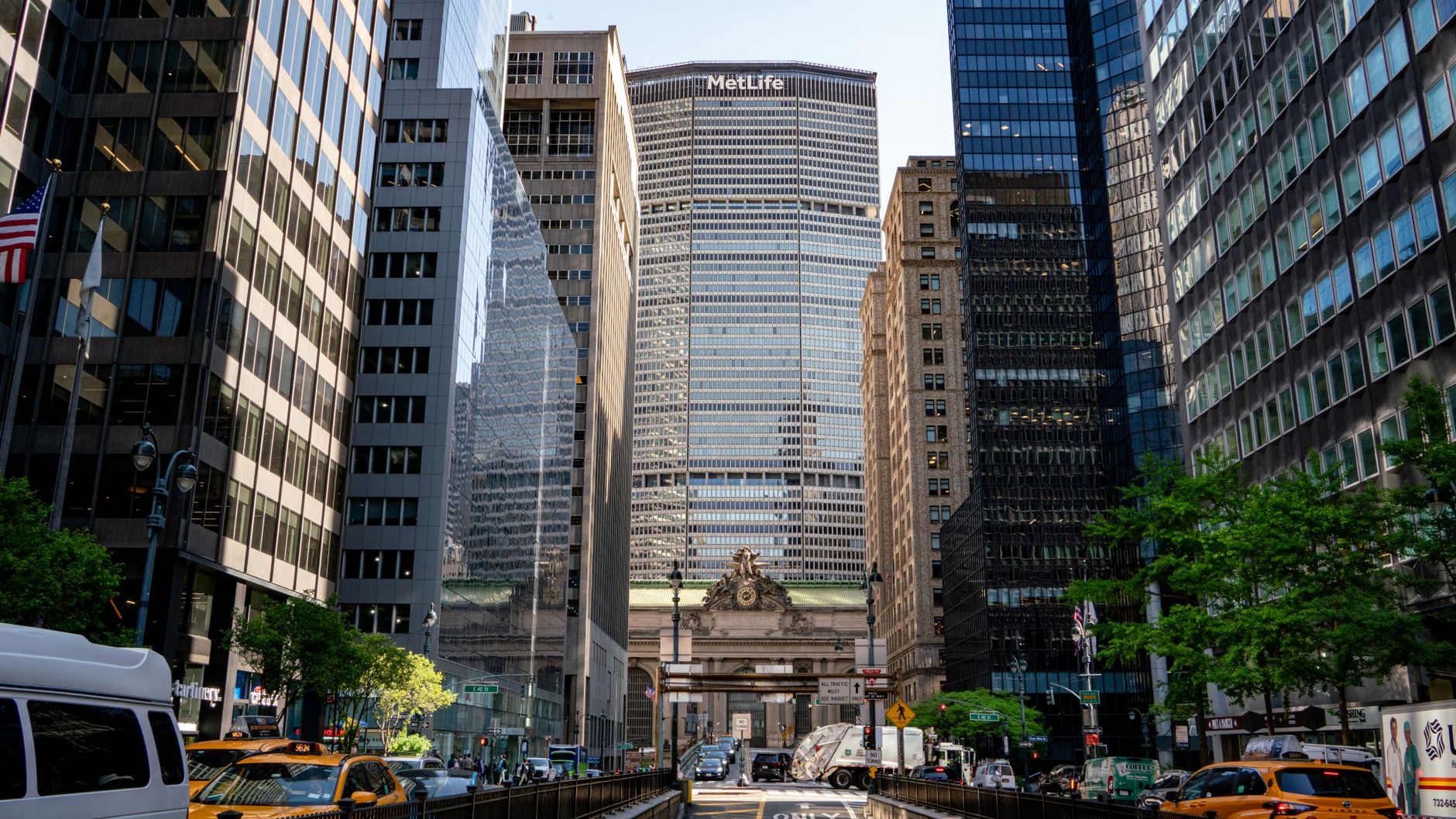
Photo by Andres Figueroa on Pexels
If you want daily insights throughout the 2026 football world cup, start with a source built for tactics, stats, and smarter fan decisions.
Frequently Asked Questions
Q: What is the 2026 football world cup?
A: The 2026 football world cup is FIFA’s expanded 48-team men’s tournament hosted by the United States, Canada, and Mexico. It runs from June 11 to July 19, 2026, with matches across multiple North American host cities. The final is scheduled for MetLife Stadium in East Rutherford, New Jersey. Fans should plan around city clusters because travel distances are much larger than in a single-country tournament.
Q: How should I plan a trip to the 2026 football world cup?
A: Start by choosing one host-city cluster, then build tickets, hotels, transport, and fan-zone plans around that base. Los Angeles offers eight matches and major festival programming, while Atlanta offers a strong stadium-centered soccer culture. Avoid stacking too many same-day events because transport, security, and crowds can consume several hours. Use tactical previews and lineup news before deciding which matches are worth premium prices.
Q: What is the difference between the FIFA Fan Festival and Official Fan Zones?
A: The FIFA Fan Festival is a large official celebration site, while Official Fan Zones are community viewing and event locations spread across a host region. In Los Angeles, the FIFA Fan Festival is linked to the LA Memorial Coliseum at Exposition Park, while fan zones are planned across Los Angeles County. Both can show matches and host entertainment, but crowd size, access, and programming can vary. Check city-specific schedules before relying on either for a key match.
Q: Is the 2026 football world cup good for betting analysis?
A: Yes, the 2026 football world cup can be strong for betting analysis because the expanded format creates more team-depth, rotation, and matchup variables. However, casual money may distort odds on famous nations, especially during the group stage. Coach's Corner focuses on predictions, tactics, player stats, and tournament coverage to help fans avoid purely emotional picks. Always follow responsible gambling practices and never bet more than you can afford to lose.
Q: What should I do if my match-day transport plan fails?
A: Switch to the nearest official transit option, fan zone, or verified viewing location instead of forcing an unrealistic stadium arrival. In cities like Los Angeles, distance between entertainment districts and SoFi Stadium can be significant during major events. Build a backup plan before match day, including rideshare zones, rail options, and a second viewing location. If you are betting live, prioritize stable connectivity over being physically close to the stadium.
Q: How much does attending the 2026 football world cup cost?
A: Costs vary widely, but fans should budget for tickets, hotels, transport, food, fan events, and price surges in major host cities. Los Angeles, New York New Jersey, and Atlanta can become expensive around premium fixtures and knockout matches. A practical approach is to price the full day, not just the ticket, including late-night transport and recovery time. Free or lower-cost fan zones may reduce expenses for fans without match tickets.