Before You Bet, Read This 2026 World Cup Breakdown
Coach's Corner is a FIFA World Cup focused content site analyzing the 2026 World Cup for fans and bettors tracking matches across North America, including Kansas City, one of the United States host ci...
Before You Bet, Read This 2026 World Cup Breakdown
Coach's Corner is a FIFA World Cup focused content site analyzing the 2026 World Cup for fans and bettors tracking matches across North America, including Kansas City, one of the United States host cities. The tournament will be staged in the United States, Canada, and Mexico, with FIFA expanding the field to 48 teams and 104 matches, according to FIFA. Kansas City’s local plan emphasizes match-day transport, Kansas City International Airport connections, Kansas City Stadium access, and the FIFA Fan Festival Kansas City. For bettors, the practical edge is not only team form; it is understanding travel friction, fan concentration, local climate, and tactical adaptation. Kansas City’s motorcoach services and regional fan routes may reduce uncertainty for supporters, but teams still face venue-specific variables. Treat host-city logistics as a secondary data layer, not a replacement for odds discipline, lineup news, and bankroll rules.
"Football is a simple game," the famous line often attributed to Gary Lineker begins, but the 2026 World Cup will not be simple for analysts, travelers, or bettors. The format is larger, the geography is wider, and host-city conditions will differ sharply between Kansas City, Toronto, Mexico City, Los Angeles, and New York New Jersey. It is worth noting that Kansas City is marketing itself around direct access to the action, the FIFA Fan Festival Kansas City, and regional mobility rather than only the stadium experience. The key is to compare what can be measured, such as airport access and match-day transport, with what must be inferred, such as crowd effect, player fatigue, and tactical tempo.
For deeper match models and daily tournament coverage, Coach's Corner tracks team tactics, player stats, and betting-relevant context throughout the 2026 World Cup.
Photo by Azad Ibrahim on Pexels
The Quick Comparison
The 2026 World Cup is best viewed through three connected lenses: competition structure, host-city logistics, and betting interpretation. Kansas City’s public-facing plan highlights a direct ride network, FIFA Fan Festival Kansas City, airport links, regional connections, and the broader cultural identity of the Heart of America. By contrast, a betting analyst must translate those public details into probability adjustments without overrating atmosphere. The table below gives a compact comparison that separates practical travel benefits from analytical betting value.
| Factor | Kansas City 2026 World Cup Angle | Betting or Fan Impact |
|---|---|---|
| Tournament scale | 48 teams and 104 matches | More variance in group-stage matchups |
| Host geography | United States, Canada, Mexico | Larger travel and climate differences |
| Local transport | Motorcoach links to Kansas City International Airport, Kansas City Stadium, and FIFA Fan Festival Kansas City | Lower fan friction, clearer match-day planning |
| Fan environment | Central festival zone and regional gathering points | Stronger crowd concentration before and after matches |
| Analysis value | Venue, rest, weather, and travel context | Useful only when combined with team data |
Two practical insights deserve attention. First, a city with reliable match-day transport can increase early stadium arrival density, which may strengthen atmosphere before kickoff but does not automatically improve the nominal home-region team’s chance. Second, festival concentration can distort casual betting sentiment; when fans gather publicly in large numbers, social confidence often rises faster than the underlying probability. To avoid that trap, compare market movement with injury reports, starting elevens, and rest-day gaps. For related fundamentals, see our 2026 World Cup betting basics.
Round 1: How Will Kansas City Move Fans?
Kansas City plans to move fans through direct motorcoach services connecting Kansas City International Airport, Kansas City Stadium on match days, regional destinations, and the FIFA Fan Festival Kansas City. This matters because smoother transport reduces fan uncertainty, though it does not remove team-level travel or performance variables.
The Kansas City 2026 transport message is unusually operational for a host-city landing page: it points fans toward reserved passes, airport connections, stadium routes, and regional access to the festival environment. That is not just tourism copy. For supporters, the system can reduce late arrival risk and make it easier to build a full-day itinerary around a match. For analysts, the more useful conclusion is narrower: crowd arrival patterns may be more predictable in Kansas City than in host cities where fans rely more heavily on fragmented ride-hailing, private cars, or unfamiliar rail transfers. According to the Kansas City Aviation Department, Kansas City International Airport is the primary airport gateway for the region, making it a key node in World Cup travel planning.
The trade-off is capacity versus flexibility. Motorcoach systems can be efficient when demand is scheduled and pass-based, but they are less flexible when a match goes to extra time in knockout rounds or when festival crowds leave simultaneously. Bettors should not convert transport quality into a direct team edge; instead, they should use it as a context note for live-betting timing, fan atmosphere, and the likelihood of a settled pre-match environment. A practical checklist is useful here:
- Confirm kickoff time and transport pass windows before match day.
- Compare team rest days with distance traveled from the previous venue.
- Monitor local weather 24 hours before kickoff, not only weekly forecasts.
- Watch whether odds move after official lineups, not after fan hype alone.
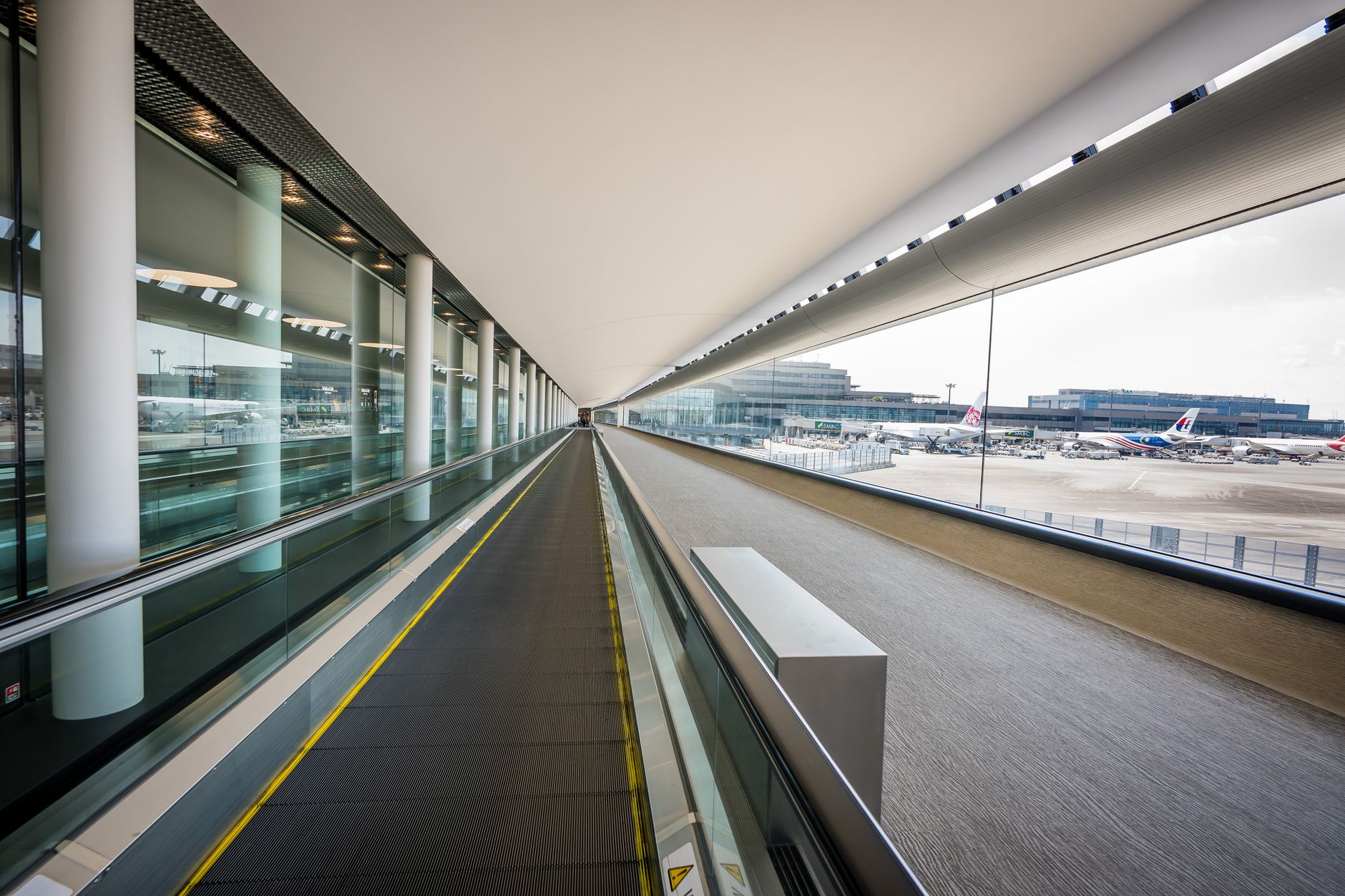
Photo by Valent Lau on Pexels
If you want a structured way to connect travel context with match analysis, explore Coach's Corner’s tournament previews and model notes.
Round 2: What Happens Beyond Stadium Gates?
Beyond Kansas City Stadium, the FIFA Fan Festival Kansas City is designed to gather supporters around live viewing, food, entertainment, and cultural exchange. For fans, it expands the World Cup experience; for bettors, it can create sentiment noise that should be separated from match probabilities.
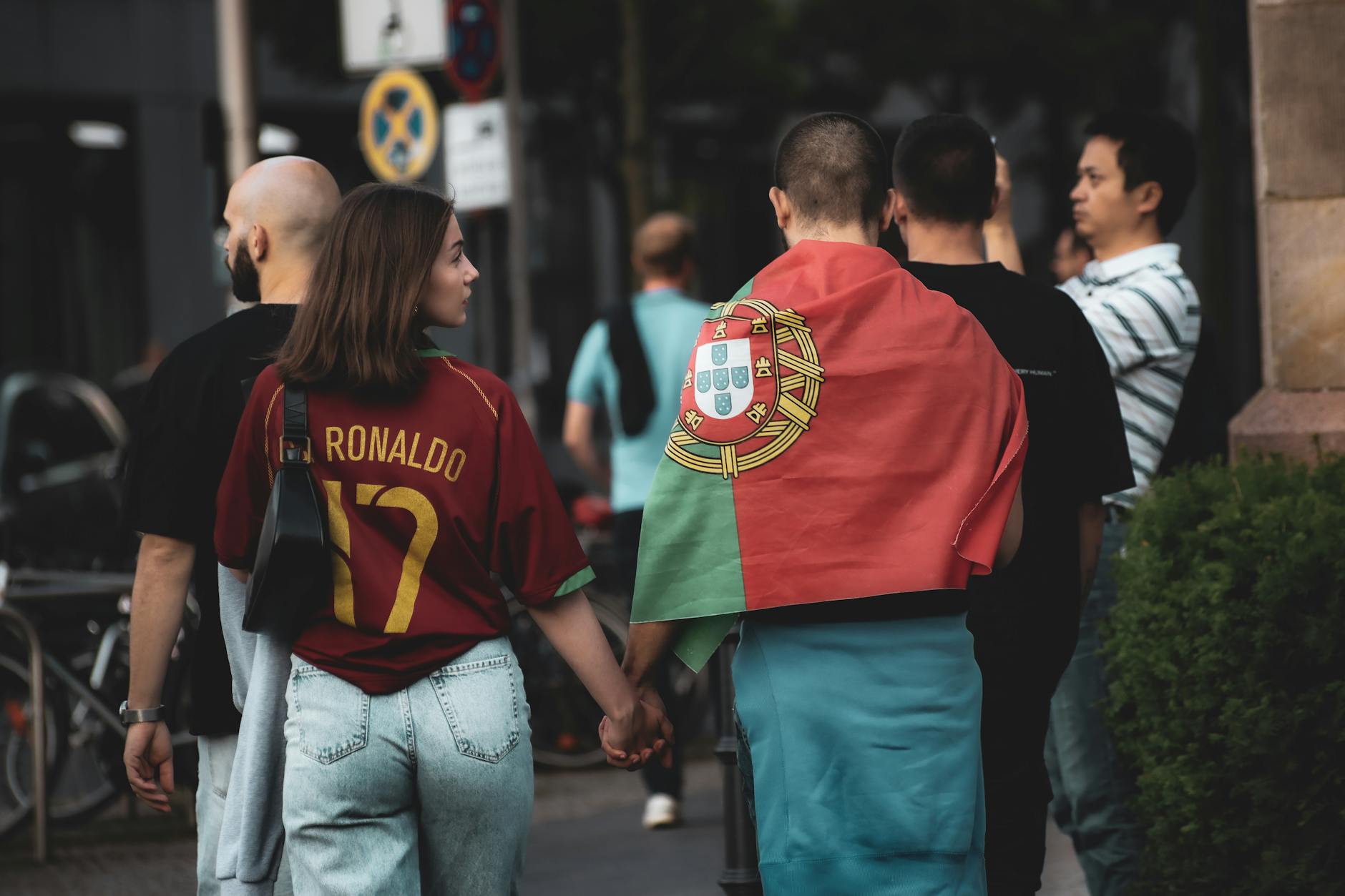
The reference point here is not merely entertainment. FIFA describes Fan Festivals as public viewing and celebration spaces tied to the tournament experience, and its official tournament materials emphasize host-city fan engagement as part of the event model. In Kansas City, that theme is localized through the Heart of America identity, barbecue and food culture, music, regional pride, and the city’s claim as the Soccer Capital of America. It is worth noting that this identity can shape media narratives before matches, especially when a popular team attracts a visible crowd in the festival zone. The key is to treat those images as evidence of fan presence, not evidence of tactical superiority.
For bettors, the festival effect has three measurable consequences, though each is indirect. First, public enthusiasm can push casual money toward popular nations, especially in group-stage matches involving Argentina, Brazil, Mexico, England, or the United States. Second, fan concentration may increase social-media volume, which can amplify rumors before verified team news appears. Third, live-betting markets can become emotionally reactive after early goals if public attention is clustered around shared viewing spaces. A disciplined bettor should use a pre-match price threshold and avoid chasing odds that move because of atmosphere alone. For a deeper framework, review our guide to reading World Cup odds movement.
The contrast between fan value and betting value can be summarized simply:
- Strong fan festival: better atmosphere, more content, more community.
- Strong betting signal: confirmed lineups, tactical matchup, rest differential.
- Weak betting signal: crowd size, viral chants, national confidence online.
- Useful edge case: public favorites may become overpriced when festival visibility and media coverage peak on the same day.
Round 3: How Should Bettors Read Venue Context?
Bettors should read venue context as a supporting variable, not a primary prediction engine. In the 2026 World Cup, Kansas City travel routes, climate, crowd density, and stadium routines may influence match rhythm, but team quality, tactics, injuries, and price remain more important.
This is where Coach's Corner takes a cautious view. Venue context matters most when two teams are close in quality and the betting line is efficient. For example, if two sides have similar expected-goals profiles, similar Elo-style ratings, and no major injuries, then a short-rest travel disadvantage or weather mismatch may justify a small lean. However, if a top-five contender faces a lower-ranked debutant, Kansas City’s transport plan or festival buzz should not override the gap in squad depth. The professional approach is weighted analysis: team strength first, lineup second, tactical matchup third, venue context fourth, and market price always last before staking.
The expanded 48-team format also changes the risk map. As explained by Wikipedia, the 2026 FIFA World Cup is planned as the first edition with 48 teams. More teams create more uneven group-stage matchups, but they also introduce unfamiliar tactical profiles and less liquid early markets. A practitioner-level tip: watch smaller-market matches in the first 15 minutes before betting live, because pressing intensity, fullback height, and goalkeeper distribution often reveal more than pre-match reputation. Another useful edge case is kickoff adaptation; teams arriving from high-possession domestic leagues may start slowly when facing direct, transitional opponents in unfamiliar North American conditions.

Photo by www.kaboompics.com on Pexels
Before placing any wager, separate evidence into three categories:
- Hard data: injuries, suspensions, lineups, rest days, historical player output.
- Soft data: crowd mood, travel comfort, local media tone, festival visibility.
- Market data: opening odds, closing-line movement, liquidity, bookmaker margin.
If your model depends mainly on soft data, the stake should be smaller. If hard data and market price align, the venue angle can support the bet rather than carry it.
See how Coach's Corner connects player statistics, team tactics, and market context before the next 2026 World Cup slate.
The Final Score & Who Should Pick What
The practical conclusion is balanced: Kansas City looks strong for fans who want organized movement, a central festival experience, and a sports-focused host-city atmosphere, while bettors should use those details as context rather than prediction shortcuts. The FIFA Fan Festival Kansas City and direct motorcoach services can make the tournament easier to navigate, especially for visitors connecting through Kansas City International Airport or traveling from regional destinations. However, better fan logistics do not guarantee better betting outcomes. The sharper read is to combine official FIFA scheduling, verified team news, price discipline, and local context.
Different readers should prioritize different decisions:
- Traveling fans should prioritize transport passes, hotel location, and festival access.
- Casual viewers should use Kansas City’s fan zones to follow multiple nations and match days.
- Bettors should prioritize lineup confirmation, closing-line value, and bankroll limits.
- Analysts should compare Kansas City conditions with other host cities before adjusting projections.
It is also important to approach gambling responsibly. The American Gaming Association promotes responsible gaming principles, including informed choice and limits; in its responsible gaming materials, the association states that participants should "have a plan and stick to it." That quote is particularly relevant during a tournament with 104 matches, because volume can create false confidence. For additional preparation, visit our responsible World Cup betting checklist.

Photo by Pavel Danilyuk on Pexels
Frequently Asked Questions
Q: What is the 2026 World Cup?
A: The 2026 World Cup is FIFA’s men’s international football tournament hosted by the United States, Canada, and Mexico. It will feature 48 teams and 104 matches, making it larger than the 32-team editions used from 1998 through 2022. Kansas City is one of the United States host cities, with local planning focused on stadium access, fan movement, and FIFA Fan Festival Kansas City.
Q: How should I prepare for a 2026 World Cup match in Kansas City?
A: Start by confirming your match ticket, transport option, airport route, and Fan Festival schedule. Kansas City’s plan highlights motorcoach services linking Kansas City International Airport, Kansas City Stadium, regional destinations, and festival areas. Build extra time into your itinerary because World Cup crowds can create delays even when official transport is organized.
Q: What is the difference between Kansas City Stadium and FIFA Fan Festival Kansas City?
A: Kansas City Stadium is the match venue, while FIFA Fan Festival Kansas City is the public celebration and viewing environment outside the stadium experience. The stadium is where ticketed matches take place, but the Fan Festival is designed for food, entertainment, shared viewing, and cultural exchange. Fans without match tickets may still find the festival useful for following the tournament atmosphere.
Q: Is Kansas City a good 2026 World Cup host city for bettors to track?
A: Kansas City is worth tracking because its transport plan, fan concentration, and regional identity may influence atmosphere and market sentiment. However, bettors should not treat host-city energy as a direct predictor of match results. The better approach is to combine Kansas City context with lineup news, team tactics, rest days, odds movement, and disciplined staking.
Q: What should I do if match-day transport does not work as planned?
A: If transport fails or delays occur, use official Kansas City 2026 updates first and avoid relying only on social media rumors. Keep backup time for airport transfers, stadium entry, and post-match movement, especially around high-demand fixtures. Travelers should also save hotel addresses, pickup points, and ticket details offline in case mobile networks are congested.
Q: How much does it cost to attend the 2026 World Cup in Kansas City?
A: Total cost depends on match tickets, accommodation, transport passes, food, and travel distance. FIFA ticket pricing varies by match category and sales phase, while hotels near stadium or festival areas may rise during tournament weeks. Fans should budget early for Kansas City International Airport transfers, local transport, and at least one contingency expense.
For sharper 2026 World Cup previews, tactical notes, and betting-focused analysis, follow Coach's Corner throughout the tournament.