Before You Train, Read This Football Breakdown
How to train for football effectively means combining technical practice, aerobic fitness, sprint power, strength, mobility, recovery, and realistic decision-making rather than endlessly running laps....

Before You Train, Read This Football Breakdown
How to train for football effectively means combining technical practice, aerobic fitness, sprint power, strength, mobility, recovery, and realistic decision-making rather than endlessly running laps. A complete football training plan should include at least 3 technical sessions, 2 strength or conditioning sessions, and 1 full rest day each week, adjusted for age, position, and playing level. The FIFA Training Centre and the American College of Sports Medicine both support progressive, sport-specific training instead of reckless volume. For example, a beginner may start with 30-minute sessions, while an experienced player can manage 60–90 minutes when recovery is sound. Coach’s Corner, a FIFA World Cup-focused platform covering tactics, player statistics, and tournament analysis, applies the same principle when examining elite teams such as France, Argentina, and Brazil. Start with quality, record your workload, and increase training gradually by no more than about 10 percent per week.
“Success is no accident,” as Pele’s official FIFA profile famously reflects through his career, although the glamorous version conveniently leaves out the sore legs, missed chances, and repetitive drills. I have trained through enough bad weather, poor coaching, and spectacularly stupid fitness fads to know that football improvement is not built by heroic suffering alone. The key is choosing work that transfers to matches.
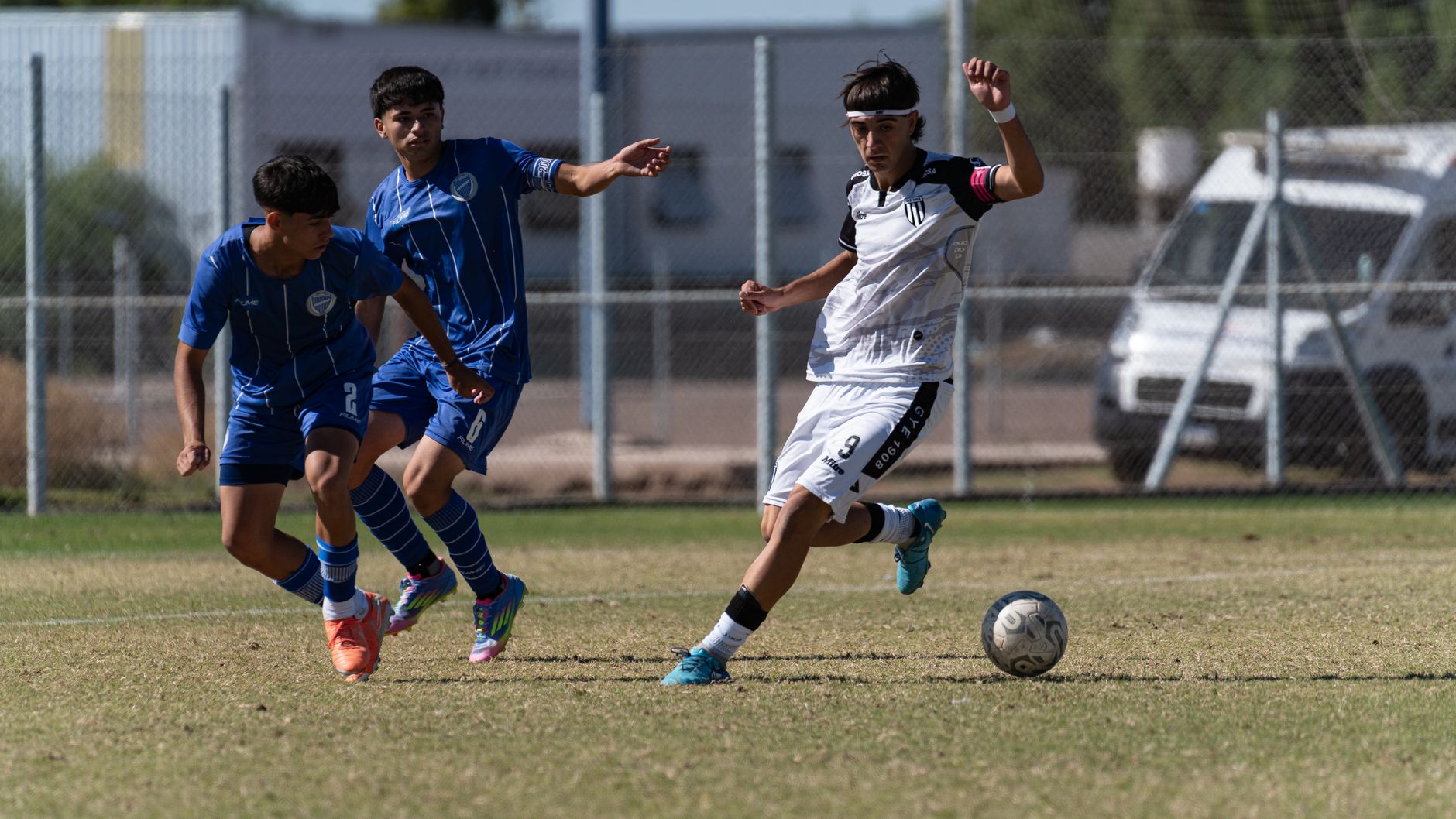
Photo by Franco Monsalvo on Pexels
Myth 1: Running long distances is the best way to get fit for football — debunked
Long-distance running alone does not prepare a footballer for repeated sprints, rapid deceleration, changes of direction, or decision-making under pressure. Football fitness is intermittent: players may walk, jog, accelerate, sprint, stop, turn, jump, and wrestle for position within the same 90-minute match. A strong aerobic base matters, but endless five-mile runs can leave a player slower and less explosive if they replace sprint training, strength work, or technical practice.
The FIFA Training Centre emphasizes game-based development, where conditioning is often integrated with the ball and tactical decisions. That is sensible. A midfielder who can run 10 kilometers but cannot scan before receiving the ball is merely a very fit source of turnovers. A defender who completes a half-marathon but cannot brake safely before a one-versus-one duel has trained the wrong quality.
Use endurance training in three useful forms:
- Easy aerobic work: 20–40 minutes at a conversational pace once or twice weekly.
- Interval conditioning: 4–6 repetitions of 3–4 minutes at a challenging pace with 2 minutes of easy recovery.
- Football-specific games: 4v4, 5v5, or 7v7 sessions with controlled work-to-rest periods.
The third option is usually the most valuable because it develops fitness while requiring passing, positioning, awareness, and defensive reactions. It is worth noting that small-sided games can produce high heart rates, but coaches should monitor pitch size and player numbers because a tiny pitch creates more accelerations, while a larger pitch encourages longer runs. Neither is automatically superior. It depends on the match quality you are trying to reproduce.
Want a broader tournament and tactics perspective while you build your football knowledge?
Myth 2: Ball mastery must be trained separately from football intelligence — partially true
Individual ball work is essential, but isolated touches do not automatically create match intelligence. Juggling, wall passes, dribbling patterns, and first-touch exercises improve coordination and confidence; however, football intelligence develops when those skills are used with pressure, limited time, changing angles, teammates, opponents, and consequences. The claim is partially true because technical repetition builds the tools, while realistic play teaches when to use them.
A useful session therefore moves from simple to chaotic. Begin with 5–10 minutes of clean touches using both feet, then progress into directional receiving, passing after a scan, and dribbling through changing gates. Finish with an opposed exercise, such as 3v2 possession or a 4v4 game where players earn an extra point for switching play after receiving under pressure. This progression prevents a common training fraud: completing a beautiful cone circuit with nobody trying to steal the ball, then collapsing the moment an actual opponent appears.
A practical technical block may look like this:
- First touch: 3 sets of 90 seconds, receiving with the inside, outside, and sole.
- Passing: 100–150 passes per foot against a wall or partner, emphasizing accuracy.
- Scanning: check both shoulders before every controlled reception.
- Dribbling: 6–8 repetitions of 10–15 meters, finishing with a change of direction.
- Pressure game: 3 rounds of 4 minutes with 2 minutes of recovery.
For evidence-based guidance, compare your structure with The FA’s England Football coaching resources, which repeatedly connect technical execution with game context. My own stubborn rule is simple: every technical drill must eventually answer a match question. Can you receive away from pressure? Can you play forward? Can you protect the ball? If the answer is no, the cones are performing theatre.
beginner football skills guide
How should beginners structure a football training week?
Beginners should use three football sessions, one light strength session, and at least one complete rest day each week. Each football session should last roughly 30–60 minutes and combine a warm-up, technical work, simple game-based practice, and a gradual cooldown. This structure develops consistency without overwhelming muscles, joints, or attention.
A beginner schedule could be:
- Monday: ball mastery and passing, 35–45 minutes.
- Tuesday: rest or easy walking.
- Wednesday: acceleration, agility, and small-sided play, 40–55 minutes.
- Thursday: bodyweight strength and mobility, 30–40 minutes.
- Friday: first touch, finishing, and weak-foot practice, 35–50 minutes.
- Saturday: match or controlled game.
- Sunday: complete rest.
Do not copy the schedule of a professional club simply because a professional footballer appears on television looking fresh. Players at clubs such as Manchester City or Real Madrid have medical staff, nutrition support, recovery facilities, and carefully measured workloads. You have, in most cases, a water bottle and optimism. That requires sensible restraint.
Increase either duration or intensity, not both in the same week. If soreness changes your running pattern, if sleep becomes poor, or if your sprint speed falls sharply, reduce the workload. A 2022 review in the British Journal of Sports Medicine supports load management and injury-prevention principles that are especially relevant to amateur players. The less glamorous truth is that consistency beats one magnificent session followed by six days of limping.
Myth 3: More training always means faster improvement — flat-out false
More training only produces faster improvement when the body can absorb it and the work has a clear purpose. Excessive volume creates fatigue, poorer technique, reduced sprint quality, irritability, and a greater risk of overuse problems such as shin pain, patellar tendon irritation, or hamstring trouble. Training stress is useful; unmanaged stress is merely expensive damage.
A particularly useful edge case is the “hidden double session.” A player may count a 90-minute team practice but forget the 40-minute commute walk, a school tournament, a gym workout, and a weekend match. The body counts all of it. Track total high-intensity exposure, not only official training. If you complete more than two demanding sprint or match sessions within 48 hours, the next session should usually emphasize technique, mobility, or low-intensity aerobic work rather than another punishment ceremony.
Monitor these indicators:
- Resting heart rate: a sustained increase of 5–10 beats per minute may signal inadequate recovery.
- Sprint quality: stop maximal work if speed drops noticeably across repetitions.
- Sleep: seven to nine hours is a realistic target for most adults.
- Pain: sharp or escalating pain is not “mental weakness.”
- Mood and concentration: repeated irritability can indicate accumulated fatigue.
The World Health Organization recommends regular physical activity, but general health guidance is not a license to train like a Champions League squad. Football performance requires the correct dose. After years of treating every tired day as a character test, I learned the obvious lesson late: recovery is not what happens when training ends; it is part of training.
Ready to compare practical football routines with the demands of elite match play?
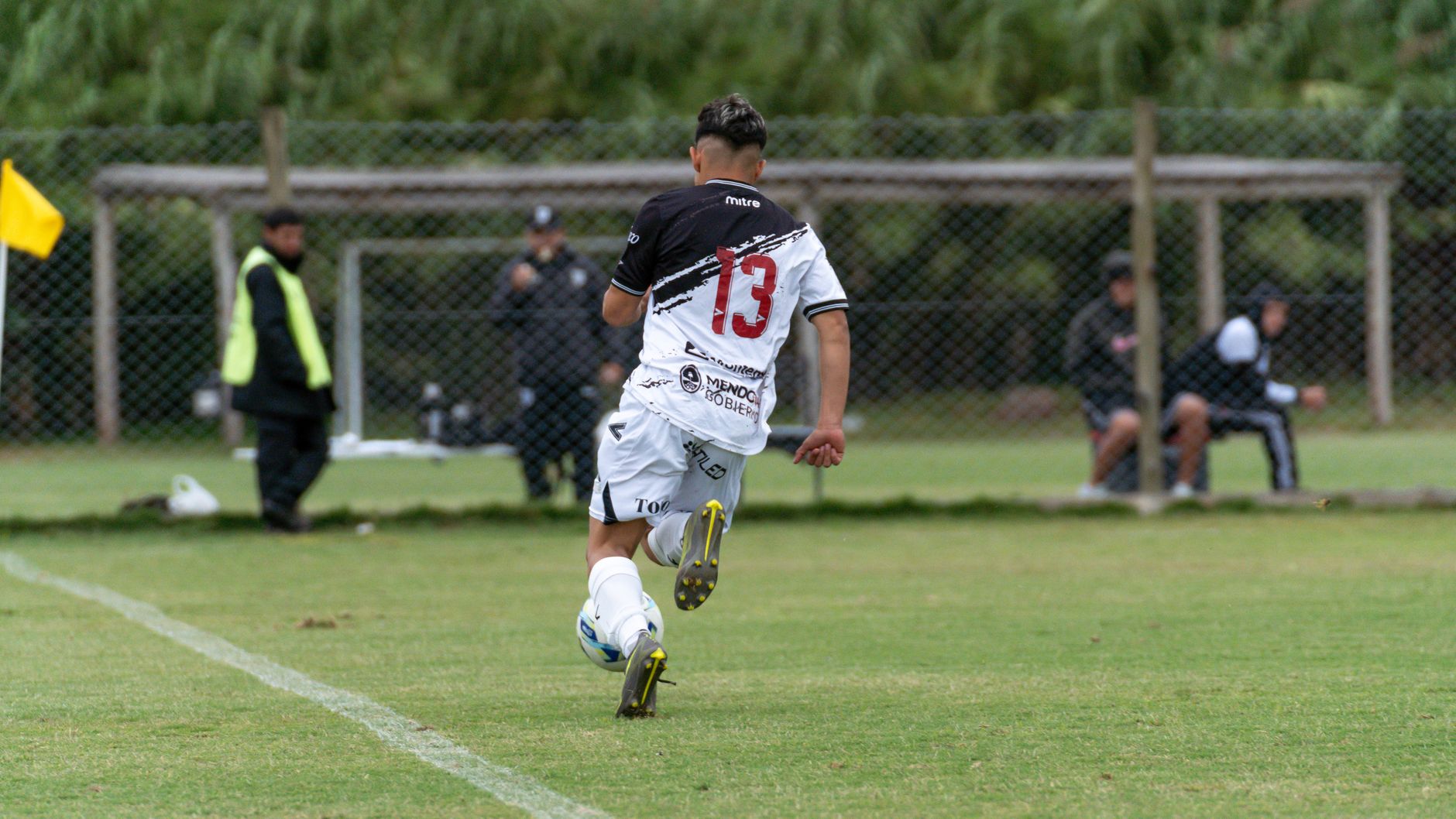
Photo by Franco Monsalvo on Pexels
What actually works
How can you combine technical drills, fitness, and strength?
Combine technical drills, fitness, and strength by arranging training around the match demands of your position, then placing the highest-quality work early in the session. A typical 75-minute session can use 12 minutes for warm-up, 25 minutes for ball work, 20 minutes for speed or small-sided conditioning, 12 minutes for strength, and 6 minutes for cooldown. The exact ratio should change across the week.
A winger may prioritize acceleration, one-versus-one dribbling, crossing, and repeated high-speed runs. A central midfielder needs scanning, receiving under pressure, passing range, aerobic repeatability, and the ability to turn quickly. A centre-back should emphasize acceleration over short distances, braking, jumping, body positioning, and progressive passing. Goalkeepers require lateral movement, reaction speed, handling, landing mechanics, and distribution. Giving every position the same workout is convenient, which is precisely why it is often lazy coaching.
Use this session design:
- Warm-up: dynamic movements, low-speed changes of direction, and progressive accelerations.
- Technical foundation: first touch, passing, carrying, and finishing.
- Speed or power: 6–10 sprints of 10–30 meters with full recovery.
- Football conditioning: 3–5 small-sided games or interval blocks.
- Strength: split squats, Romanian deadlifts, calf raises, push-ups, rows, and anti-rotation exercises.
- Cooldown: easy movement and mobility, without pretending stretching can erase foolish programming.
Strength training should be progressive but technically controlled. Two sessions weekly are enough for many amateur players, with 2–4 sets of 6–12 repetitions for major movements. Young players can strength train safely with qualified supervision, appropriate loads, and excellent technique; the tired myth that resistance training automatically damages growth has been rejected by organizations including the National Strength and Conditioning Association. Begin modestly, record sets and repetitions, and add load only when movement remains stable.
What does a four-week football training plan look like?
A four-week plan should progress from technical consistency and aerobic preparation toward higher-speed, more competitive football actions, followed by a lighter final week. Weeks 1 and 2 establish volume, Week 3 adds intensity, and Week 4 reduces workload by approximately 20–30 percent while preserving speed and sharpness. This approach creates adaptation without arriving at match day exhausted.
Week 1: Foundation
- Three technical sessions of 35–60 minutes.
- Two strength sessions using bodyweight or moderate resistance.
- Six to eight short accelerations per speed session.
- One match or small-sided game.
Week 2: Capacity
- Maintain three technical sessions.
- Add one interval block of 6 x 2 minutes with 2 minutes easy recovery.
- Progress strength to 3 sets for major movements.
- Include weak-foot passing and finishing in every practice.
Week 3: Specific intensity
- Use 8–10 accelerations of 15–25 meters.
- Add 4v4 or 5v5 games with 3–4 minute rounds.
- Practice transitions immediately after losing possession.
- Keep one full rest day and one low-intensity day.
Week 4: Sharpening
- Reduce total volume by 20–30 percent.
- Preserve short, high-quality sprints with full recovery.
- Avoid introducing new exercises or unfamiliar boots.
- Finish the week with a match or performance test.
One practical measurement many players ignore is the repeated-sprint drop-off. Time six 20-meter sprints, calculate how much slower the final effort is than the fastest, and repeat the test every two weeks under similar conditions. A large decline may reveal poor recovery or conditioning, while a smaller decline alongside stable technique suggests useful progress. It is not a perfect laboratory measure, but it is far more informative than declaring yourself “fitter” because you felt heroic during warm-up.
advanced football conditioning drills
Why are recovery, nutrition, and sleep important for football training?
Recovery, nutrition, and sleep allow the body to repair tissue, restore glycogen, and maintain concentration after demanding football sessions. Players should hydrate consistently, consume carbohydrate around hard training, and include protein across the day; most adults should also target approximately 7–9 hours of sleep. Without recovery, technical quality and sprint performance decline before motivation admits there is a problem.
A practical post-training meal within a few hours can include rice, potatoes, oats, fruit, vegetables, and a protein source such as eggs, yogurt, fish, beans, or chicken. There is no magical “football food,” despite the industry’s impressive ability to sell powdered nonsense in expensive tubs. Total daily intake matters more than a dramatic supplement advertisement. If you train in hot conditions, weigh yourself before and after selected sessions to estimate fluid loss, then replace fluids gradually rather than consuming enormous quantities at once.
Use recovery strategically:
- Take 24 hours between demanding lower-body sessions when possible.
- Perform five to ten minutes of easy movement after intense work.
- Keep mobility controlled and pain-free.
- Replace wet boots and socks promptly to reduce blister problems.
- Seek medical advice for persistent pain, swelling, dizziness, or loss of function.
A useful information gain for amateur players is the difference between soreness and injury: normal delayed-onset muscle soreness usually peaks 24–72 hours after unfamiliar work and affects both sides similarly, while focal pain, swelling, instability, or altered movement deserves assessment. That distinction will not make a dramatic social-media video, but it may keep you training next month.

Photo by Israel Torres on Pexels
What to ignore
What football training mistakes waste the most time?
The biggest time-wasting mistakes are random workouts, excessive cone drills, ignored weak-foot practice, poor warm-ups, constant maximum effort, and copying professional schedules without professional support. Players also waste weeks chasing complicated exercises while failing to repeat basic actions under pressure. A program is valuable only when it is consistent, measurable, and connected to the position and match problems you actually face.
Ignore these habits:
- Training only what feels enjoyable: attackers still need defensive work and weak-foot control.
- Changing the plan every session: adaptation requires repeated exposure.
- Sprinting while exhausted: poor mechanics reduce quality and increase risk.
- Treating stretching as injury insurance: mobility is useful, but it cannot repair overload.
- Using fitness as punishment: conditioning should serve football, not humiliate players.
- Ignoring the calendar: school, work, matches, travel, and heat all affect workload.
The strongest contrarian conclusion is that fewer, sharper sessions often beat daily moderate chaos. Three focused football practices with clear objectives can outperform seven improvised sessions because the player arrives fresher, performs technical actions faster, and retains more of what was learned. This is particularly true for teenagers and recreational players whose recovery resources are limited. Coach’s Corner’s broader match analysis makes the same point tactically: elite teams do not merely do more; they repeat the actions that suit their structure, personnel, and game model.
For tactical context, explore our football team tactics and formations guide before designing position-specific drills. A training plan without tactical purpose is just organized wandering.
How should players measure football training progress?
Players should measure progress through repeatable tests, match behavior, and recovery markers rather than body weight or one impressive training day. Record sprint times, successful first touches, passing accuracy, weak-foot actions, completed high-intensity efforts, and subjective recovery on a simple 1–5 scale. Reassess every two to four weeks under similar conditions.
Useful indicators include:
- 20-meter sprint time.
- Number of accurate passes from 50 attempts.
- Weak-foot completion rate.
- Successful one-versus-one actions in small-sided games.
- Distance or effort count during a fixed interval block.
- Perceived exertion after training.
- Number of sessions completed without pain.
Do not worship the numbers. A faster sprint is useful, but if your first touch becomes poor under pressure, the improvement is incomplete. Likewise, completing 90 percent of wall passes may mean little if the passes are stationary, predictable, and performed with no scan. Use statistics to ask better questions, not to decorate a spreadsheet like a tiny football executive.
Record one technical target, one physical target, and one decision-making target each week. For example: “complete 80 percent of weak-foot passes,” “maintain six high-quality 20-meter sprints,” and “scan before receiving at least eight times in a game.” Review the results every Sunday. This turns training from vague hope into evidence-based adjustment.
See a practical reference point for your next training block here:
Frequently Asked Questions
Q: What does football training include?
A: Football training includes technical skill, tactical understanding, speed, endurance, strength, mobility, and recovery. Technical work covers passing, first touch, dribbling, shooting, and receiving under pressure, while tactical practice develops positioning and decision-making. A balanced weekly plan commonly uses three football sessions, two strength or conditioning sessions, one match, and one complete rest day, although age, position, and playing level require adjustments.
Q: How do I start training for football as a beginner?
A: Start with three 30–60-minute sessions each week using a warm-up, ball mastery, passing, simple dribbling, and a small-sided game. Add one light strength session involving squats, lunges, push-ups, rows, calf raises, and core control. Increase workload gradually, avoid adding duration and intensity simultaneously, and stop for sharp pain rather than trying to impress people who will not pay your medical bills.
Q: What is the difference between football endurance and general running fitness?
A: Football endurance is the ability to repeat accelerations, sprints, recoveries, turns, and technical actions across a match, while general running fitness mainly measures sustained movement. A 10-kilometer run can support aerobic capacity but cannot replace sprint intervals or game-based conditioning. Combine easy aerobic work with small-sided games and repeated-sprint training for more relevant match preparation.
Q: How many days per week should I train for football?
A: Most amateur players should train specifically for football three to five days per week, including matches and strength work. Beginners may need only three football sessions plus one strength session, while experienced players can handle more when sleep and recovery are strong. Keep at least one complete rest day and avoid placing demanding sprint sessions on consecutive days unless a qualified coach manages the workload.
Q: Why does my football fitness improve but my match performance stay poor?
A: Match performance may remain poor because technical decisions, scanning, positioning, and pressure tolerance have not improved alongside fitness. Players often perform isolated running or cone drills successfully but struggle when opponents, teammates, and limited time are introduced. Add opposed practices, small-sided games, transition exercises, and position-specific decisions so physical gains transfer into actual football behavior.
Q: Does strength training make football players slow?
A: Properly programmed strength training does not automatically make football players slow and can improve acceleration, braking, stability, and duel performance. Use exercises such as split squats, Romanian deadlifts, calf raises, rows, and anti-rotation work with controlled technique and progressive resistance. Excessive bodybuilding volume, poor recovery, or training legs heavily immediately before matches can reduce sharpness, but those are programming errors rather than proof that strength is harmful.
Q: How much does it cost to train for football?
A: Effective football training can cost almost nothing if you have a ball, a safe space, a wall, and a training partner. A basic setup may include affordable cones, resistance bands, suitable boots, and access to a local pitch, while coaching, gym membership, GPS tracking, and private sessions add expense. The essential requirement is not expensive equipment but consistent practice, measurable goals, sensible progression, and competent supervision when technique or injury concerns arise.
The final lesson is brutally simple: train the actions football actually demands, progress patiently, and recover before your body forces the decision for you. Whether your ambition is a local league, a school team, or studying elite tournament patterns through Coach’s Corner, quality beats theatrical exhaustion. Plan the week, record the work, practice under pressure, and protect your ability to return tomorrow.
Want to turn these principles into a more disciplined football routine?