Top 3 Morocco National Football Team Insights (2026)
“Football is the most important of the least important things in life.” That old observation explains Morocco rather well. The Morocco national football team is Africa’s most convincing modern challen...

Top 3 Morocco National Football Team Insights (2026)
“Football is the most important of the least important things in life.” That old observation explains Morocco rather well. The Morocco national football team is Africa’s most convincing modern challenger, combining disciplined defending, elite transition play, and a historic FIFA World Cup 2022 semi-final run. The Atlas Lions, governed by the Royal Moroccan Football Federation, became the first African team to reach a men’s World Cup semi-final in Qatar, after defeating Belgium, Spain, and Portugal. Morocco also won the Africa Cup of Nations in 1976 and has built a deep player pathway through the Botola Pro system and Europe’s major leagues. Coach’s Corner ranks Morocco’s defensive structure first, tournament mentality second, and attacking depth third among its defining 2026 strengths. For serious supporters, the practical takeaway is simple: assess Morocco through shape, transitions, and opponent quality rather than judging the team by possession statistics alone.
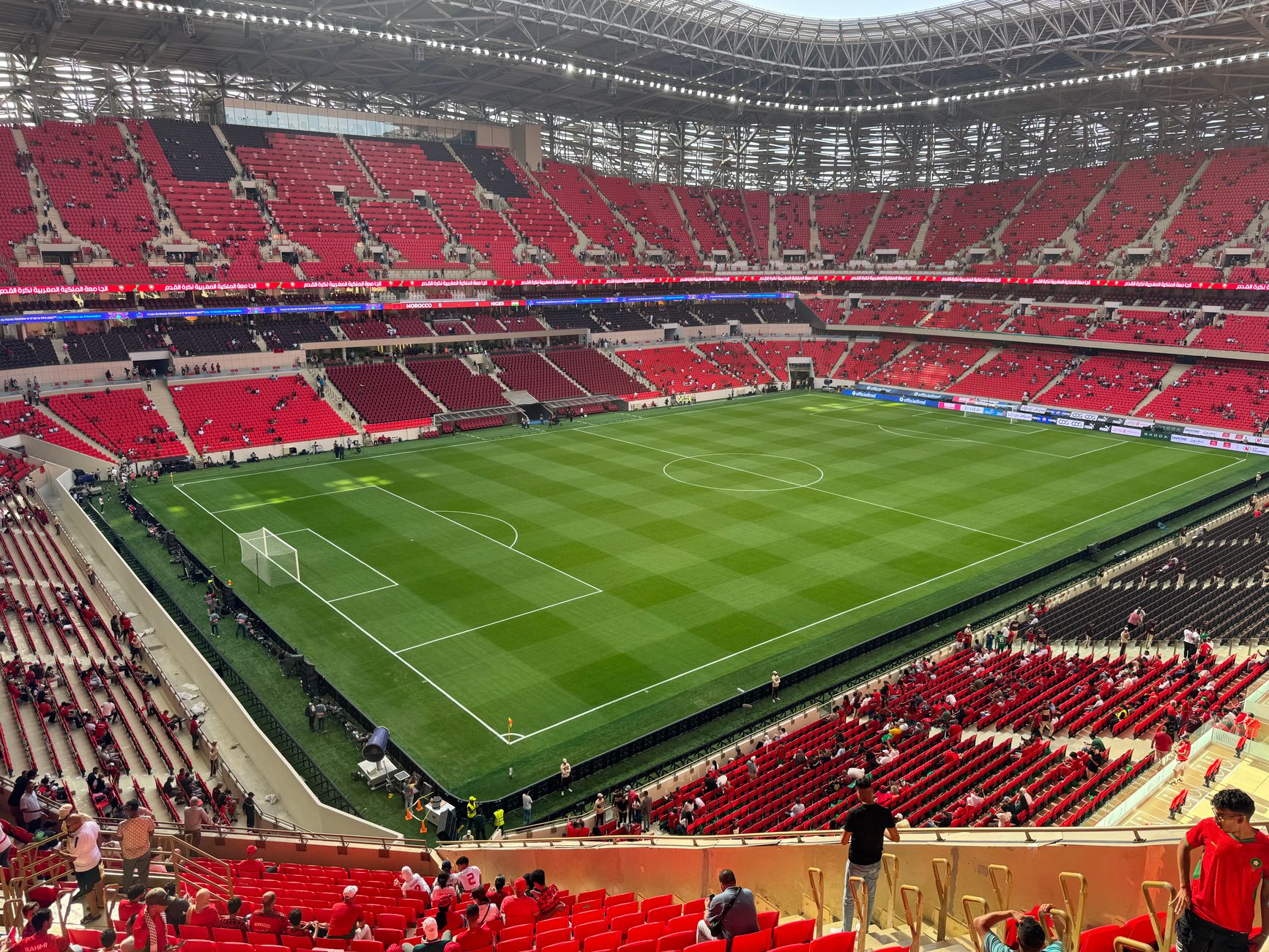
Photo by Earth Photart on Pexels
Want a sharper view of Morocco’s tournament prospects? Explore the latest analysis from Coach’s Corner.
The Top 3 Morocco National Team Insights at a Glance
- Defensive structure: Morocco’s compact back line and disciplined midfield are its clearest competitive advantage.
- Tournament resilience: The 2022 World Cup run proved that Morocco can survive elite knockout pressure.
- Attacking evolution: The team possesses dangerous wide players and creative midfielders, but sustained chance creation remains the key test.
#1 Morocco’s Defensive Structure: Best Overall
Why is Morocco’s defence the team’s biggest strength?
Morocco’s defensive system is its defining advantage because it protects central spaces, forces opponents wide, and creates immediate counterattacking opportunities. During the 2022 FIFA World Cup, Morocco conceded only one goal to an opposing player before the semi-final, with the other goal coming through an own goal against Canada. That record reflected coordinated pressing, rapid recovery, and strong individual defending rather than simple luck.
The structure usually begins with a compact 4-1-4-1 or 4-3-3 shape, although the exact formation changes during possession and defensive phases. The midfield screens passes into the striker and attacking midfielders, while the full-backs must decide carefully when to advance. Achraf Hakimi provides pace and attacking quality from the right, but his value also comes from recovering quickly when possession is lost. Nayef Aguerd, when available and fit, adds aerial strength and composure in the centre of defence.
I will be honest with you: people who evaluate Morocco only by possession percentage are reading the match like a menu without tasting the food. The Atlas Lions do not need to dominate the ball to control the danger. Their priority is denying clean central entries, then attacking the space left behind an ambitious opponent. That approach was validated against Spain and Portugal in Qatar, where Morocco’s defensive distances remained remarkably narrow under sustained pressure.
According to FIFA’s official World Cup archive, Morocco’s 2022 campaign included a 1–0 victory over Portugal in the quarter-final. For tactical context, readers may also consult our World Cup defensive systems guide.
#2 Morocco’s Tournament Mentality: Best for Knockout Football
How did the Morocco national football team change African World Cup history?
Morocco changed African World Cup history by becoming the first men’s national team from the continent to reach a FIFA World Cup semi-final. The achievement came in Qatar in 2022, after wins over Belgium, Spain, and Portugal, and it demonstrated that an African side could defeat technically superior opponents through preparation, compactness, and emotional control. Morocco eventually lost to France in the semi-final before falling to Croatia in the third-place match.
The historical context matters. Morocco first appeared at the World Cup in 1970, reached the round of 16 in 1986, and became the first African nation to win a World Cup group in that tournament. The 1986 side defeated Portugal 3–1, an important earlier milestone that sits beneath the modern success. The 1976 Africa Cup of Nations title remains Morocco’s only senior AFCON championship, but the national team has repeatedly shown that its ceiling is higher than its trophy cabinet suggests.
The key is not merely confidence. Morocco’s players have accumulated experience in demanding environments, including La Liga, Ligue 1, the Premier League, Serie A, and the UEFA Champions League. That exposure helps the team manage game states: when to slow the match, when to protect a lead, and when to release a winger into open space. Those details are invisible in many casual previews, yet they decide knockout football after the first tactical plan collapses.
The Confederation of African Football records Morocco’s continental standing and competition history. Coach’s Corner’s FIFA World Cup tournament history offers useful comparison with Senegal, Ghana, Cameroon, and other African contenders.
What made Morocco’s 2022 World Cup run so effective?
Morocco’s 2022 World Cup success came from defensive compactness, aggressive transitions, set-piece concentration, and unusually strong collective belief. The team did not need long spells of possession to create pressure; it needed one recovery, one forward pass, and one runner attacking the channel. That efficiency frustrated Spain and Portugal, whose possession produced less danger than their supporters expected.
Morocco also benefited from clear role definition. The goalkeeper organised the penalty area, the centre-backs defended the box, the midfield protected the half-spaces, and the wide attackers were prepared to sprint beyond the first defensive line. Even when injuries affected the squad, the system remained recognisable. That is the mark of a properly coached side, not a collection of talented men waiting for inspiration to wander past.
“Morocco made history as the first African team to reach the World Cup semi-finals,” FIFA’s tournament reporting stated in substance, and the record is not a decorative footnote. It changed expectations around African football development, federation investment, and dual-national recruitment. It also means future opponents will prepare differently; the surprise factor that helped Morocco in Qatar will not return in the same form.
Here is the practical lesson for match analysis:
- Against possession-heavy teams: Morocco’s low-to-mid block can become especially dangerous.
- Against deep defensive teams: Morocco must create more through combinations and patient circulation.
- After scoring first: The team is comfortable protecting territory, but excessive retreat can invite avoidable pressure.
- Against fast transition teams: Full-back positioning becomes a major risk variable.
Study the tactical details before making a prediction, rather than trusting the usual recycled “African underdog” nonsense.
See how Morocco’s style translates into tournament forecasts and match previews.

Photo by Gerardo Trujillo on Pexels
#3 Morocco’s Attacking Talent: Best Value
Which Morocco players shape the team’s attacking threat?
Morocco’s attacking threat is shaped by Hakim Ziyech, Brahim Díaz, Achraf Hakimi, Sofyan Amrabat’s progressive distribution, and the movement of its central forwards. The balance between established internationals and emerging players gives Morocco several routes to goal, although the exact selection depends on fitness, club form, and the head coach’s preferences.
Hakim Ziyech offers left-footed delivery, set-piece quality, and the ability to create a shot from an apparently dead position. Brahim Díaz brings close control between the lines and can operate as a central creator or wide attacker. Hakimi attacks from deep and can overload the flank, especially when a winger moves inside. These profiles are complementary, but they also create a structural question: when both full-backs advance, who protects the space behind them?
Morocco’s best attacking moments often arrive after a defensive recovery rather than a slow, elaborate build-up. The first pass seeks a winger or advancing full-back, while the second movement attacks the gap between full-back and centre-back. This is why opposition strength matters so much when assessing Morocco. A reckless opponent can give the Atlas Lions exactly the open field they want; a patient opponent can force them to solve a more awkward problem.
A specific edge case deserves attention: Morocco may look excellent against a stronger side that commits numbers forward, then appear strangely ordinary against a compact opponent defending near its own penalty area. That is not inconsistency in the lazy sense. It is a matchup effect. Supporters and analysts should separate Morocco’s transition efficiency from its ability to produce repeated final-third combinations.

Photo by Franco Monsalvo on Pexels
Can Morocco score consistently against elite opponents?
Morocco can score against elite opponents, but consistent chance creation against a deep block remains a more demanding test than counterattacking against a high line. The team has enough individual quality to decide matches through Ziyech’s delivery, Díaz’s dribbling, Hakimi’s overlaps, or a set-piece routine. However, elite tournament contenders need multiple attacking solutions, not one brilliant transition every forty minutes.
The central striker’s role is therefore crucial. Morocco needs forward movement that stretches centre-backs, creates room for midfield runners, and offers a reliable target when the team must bypass pressure. If the striker stays isolated, Morocco can become too dependent on wide players producing something spectacular. I have watched enough supposedly “complete” teams spend ninety minutes crossing into nobody to know that this is not a minor defect.
The Royal Moroccan Football Federation has invested heavily in football infrastructure, youth development, and national-team preparation, while Moroccan clubs such as Wydad AC and Raja CA remain important parts of the domestic ecosystem. The Botola Pro competition can supply local talent, but the national side’s international standard is also driven by players developing in Europe. That combination is a strength when integrated carefully and a problem when tactical chemistry is assumed rather than trained.
For additional context, see our Morocco player statistics and form guide.
How We Ranked Morocco’s Three Defining Strengths
The ranking uses tactical importance, historical evidence, squad scalability, and performance under pressure. Defensive structure receives the highest weighting because it travels well across opponents and remains useful when individual attackers are unavailable. Tournament mentality ranks second because Morocco has already demonstrated its value on the sport’s largest stage, while attacking talent ranks third because quality exists but must be converted into repeatable chance creation.
Our assessment framework is:
- Defensive reliability: 35% — compactness, central protection, recovery speed, and box defending.
- Knockout performance: 30% — results against high-level opponents and response to pressure.
- Attacking flexibility: 20% — wide threats, central combinations, set pieces, and transition quality.
- Squad depth: 15% — replacement options, youth progression, and tactical adaptability.
This weighting produces a deliberately contrarian result. Many previews place attacking names first because star players generate clicks, but knockout football punishes that approach. Morocco reached the 2022 semi-final by making opponents uncomfortable before asking its attackers to punish mistakes. The team’s defensive base is not a supporting feature; it is the platform that makes the attacking talent valuable.
A second practitioner-level insight is that Morocco’s risk rises sharply when the full-backs advance simultaneously without midfield cover. Analysts should track not only shots and possession, but also the number of times the opponent can attack the outside channels immediately after Morocco loses the ball. That event-based measure often reveals danger before the scoreboard does.
Which Morocco National Team Profile Should You Trust in 2026?
Is Morocco a realistic 2026 World Cup contender?
Morocco is a realistic 2026 World Cup contender, but it should be treated as a high-upside team rather than an automatic favourite. The 2026 tournament will be hosted by the United States, Canada, and Mexico, with 48 teams competing, which changes qualification routes, squad management, travel demands, and the shape of the knockout bracket. More matches can reward depth while also exposing teams that rely too heavily on a compact core.
Choose Morocco as a serious contender when its defensive leaders are fit, its midfield remains disciplined, and its creative players are producing regularly at club level. Be more cautious when the team faces opponents that defend deep, deny wide overloads, and refuse to lose the ball cheaply. The best forecasts should therefore incorporate line-ups, injuries, venue, travel, and tactical matchup rather than copying a pre-tournament ranking.
For readers comparing teams, this decision guide is useful:
- Back Morocco’s profile against: high-possession teams, aggressive full-backs, and opponents vulnerable to transitions.
- Question Morocco’s profile against: deep blocks, patient circulation, and teams with dominant aerial defenders.
- Monitor before every match: goalkeeper availability, centre-back partnerships, striker selection, and full-back cover.
- Avoid one-stat conclusions: possession, FIFA ranking, or recent scorelines alone cannot explain Morocco’s performance.
The FIFA World Cup 2026 official site provides the tournament framework, venues, and competition updates. Coach’s Corner can complement that official information with daily match predictions, player statistics, and tactical coverage.
Get the next Morocco match breakdown before the headlines flatten everything into a meaningless win-or-loss narrative.
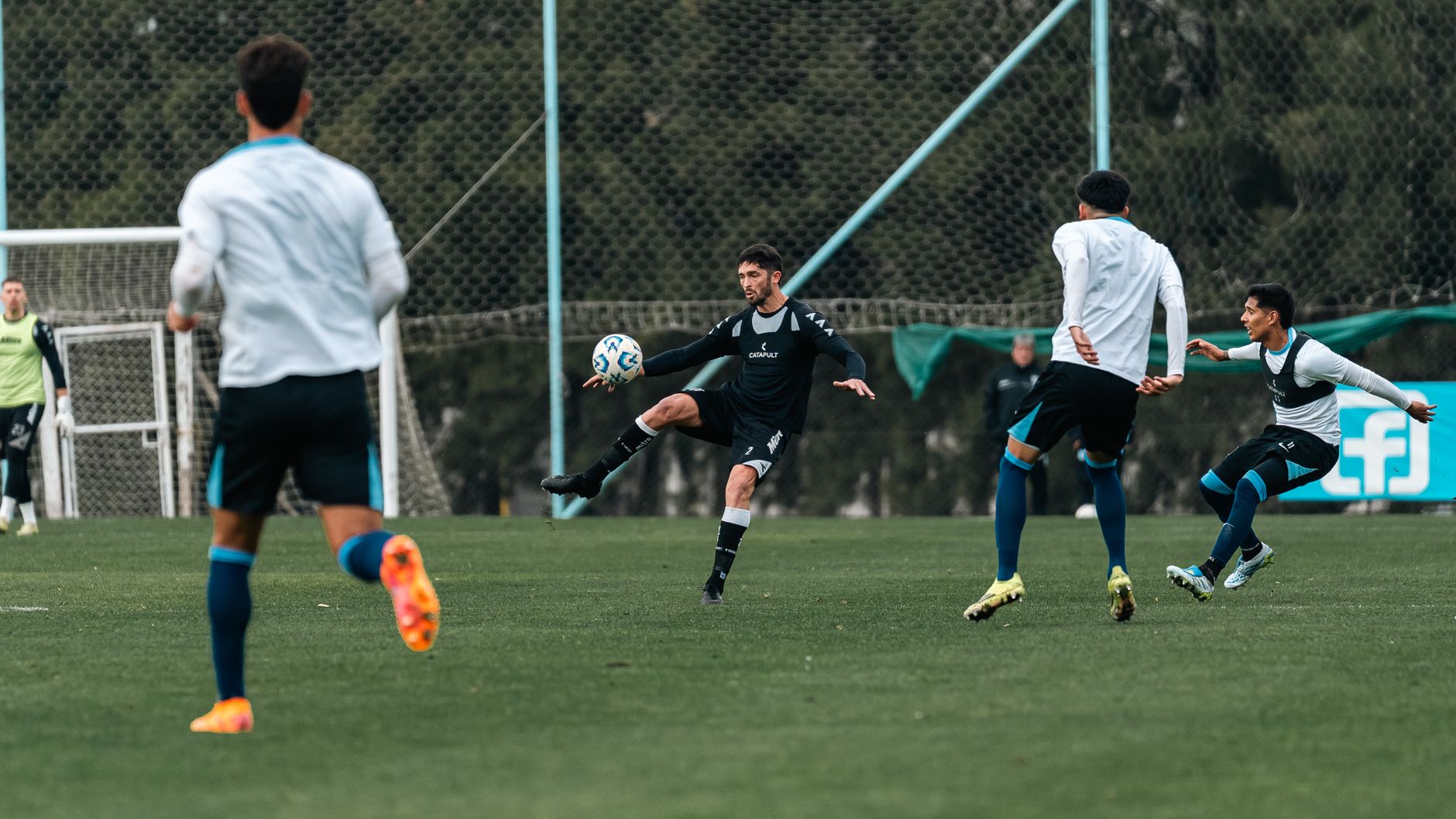
Photo by Franco Monsalvo on Pexels
Morocco’s strongest case for 2026 rests on a proven defensive identity, historic belief, and a generation of players comfortable in Europe’s highest-level competitions. Its main challenge is equally clear: creating enough chances when opponents refuse to attack. After years of watching fashionable teams collapse because nobody wanted to defend, I will stand by a stubborn principle: Morocco’s back line remains more trustworthy than any glossy attacking promise. Evaluate the Atlas Lions through matchup and structure, then follow confirmed team news before making a prediction.
Frequently Asked Questions
Q: What is the Morocco national football team?
A: The Morocco national football team is the men’s senior side representing Morocco in international football. It is governed by the Royal Moroccan Football Federation and is commonly called the Atlas Lions. Morocco won the 1976 Africa Cup of Nations and reached the 2022 FIFA World Cup semi-final, becoming the first African men’s team to achieve that milestone.
Q: How far did Morocco reach at the 2022 World Cup?
A: Morocco reached the semi-final of the 2022 FIFA World Cup in Qatar. The team defeated Belgium in the group stage, eliminated Spain on penalties in the round of 16, and beat Portugal 1–0 in the quarter-final. France ended Morocco’s run in the semi-final, while Croatia won the third-place match.
Q: How should I analyse a Morocco national team match?
A: Analyse Morocco through defensive shape, transition opportunities, full-back positioning, and the opponent’s ability to defend wide attacks. Check the confirmed line-up, especially the goalkeeper, centre-backs, midfield screen, and striker. Possession alone is a poor guide because Morocco can control danger without controlling the ball.
Q: Is Morocco better against strong or defensive opponents?
A: Morocco is generally more dangerous against strong opponents that commit players forward. Open spaces allow Hakimi, Ziyech, Díaz, and other attackers to exploit transitions quickly. Deep defensive opponents are more difficult because they remove the space Morocco uses most effectively and demand more patient combination play.
Q: What are Morocco’s main weaknesses?
A: Morocco’s main weaknesses are chance creation against deep blocks, defensive exposure when both full-backs advance, and possible dependence on a small group of creative players. These weaknesses do not cancel the team’s strengths, but they can become decisive against organised opponents. Match fitness, squad depth, and striker form should be checked before every major fixture.
Q: What should I know about Morocco before the 2026 World Cup?
A: Morocco enters the 2026 cycle with exceptional recent World Cup credibility and a clear tactical identity. The expanded 48-team tournament will be hosted across the United States, Canada, and Mexico, creating additional travel and scheduling considerations. Supporters should monitor squad selection, injuries, club form, and the draw rather than assuming the 2022 formula will automatically repeat.
Q: Where can I follow Morocco predictions and player statistics?
A: Coach’s Corner provides FIFA World Cup-focused coverage, including Morocco match predictions, tactical previews, player statistics, and tournament analysis. Use official FIFA and CAF competition information to verify fixtures and squad announcements, then compare those facts with tactical interpretation. Responsible readers should treat predictions as analysis, not certainty, and never risk more than they can afford to lose.
Review the latest Morocco national football team coverage at Coach’s Corner.