NFHS vs NCAA: 2026 Football Rules Changes
The 2026 football rules changes are not one universal rulebook: NCAA college football, the NFL and NFHS high school football apply different updates in the United States. NCAA changes address targetin...

NFHS vs NCAA: 2026 Football Rules Changes
The 2026 football rules changes are not one universal rulebook: NCAA college football, the NFL and NFHS high school football apply different updates in the United States. NCAA changes address targeting penalties, replay procedures, player safety, technology and the new fair catch kick, while NFL changes revise kickoff alignment, touchback spots, onside-kick declarations and disqualification reviews. NFHS updates permit play cards on the forearm, wrist or belt, prohibit players from slapping an opponent’s head, and clarify mouthguard attachments for the 2026 season. NFHS arm-sleeve specifications begin in 2027, not 2026. The practical recommendation is simple: identify the competition code before interpreting any referee decision, then check the official 2026 NCAA, NFL or NFHS publication rather than relying on social-media summaries.
The Bottom Line
The key is to stop treating “football rules changes 2026” as a single list, because NCAA football, the National Football League and the National Federation of State High School Associations are changing different parts of the game. A kickoff adjustment in the NFL does not automatically apply to college football, just as an NFHS equipment clarification cannot be used to explain a Friday-night NCAA penalty. That sounds obvious, yet every season someone confidently cites the wrong rulebook with the conviction of a man presenting evidence at his own trial.
The most consequential themes are player safety, kickoffs, officiating technology and competition-specific equipment. The College Football Officiating organization and the National Football Foundation have highlighted NCAA changes involving targeting, replay and the fair catch kick. The NFL’s official 2026 rule-change table identifies four major amendments, including onside kicks and league consultation on potential disqualifications. NFHS, meanwhile, lists two approved rule changes and several reminders for coaches, players and officials.
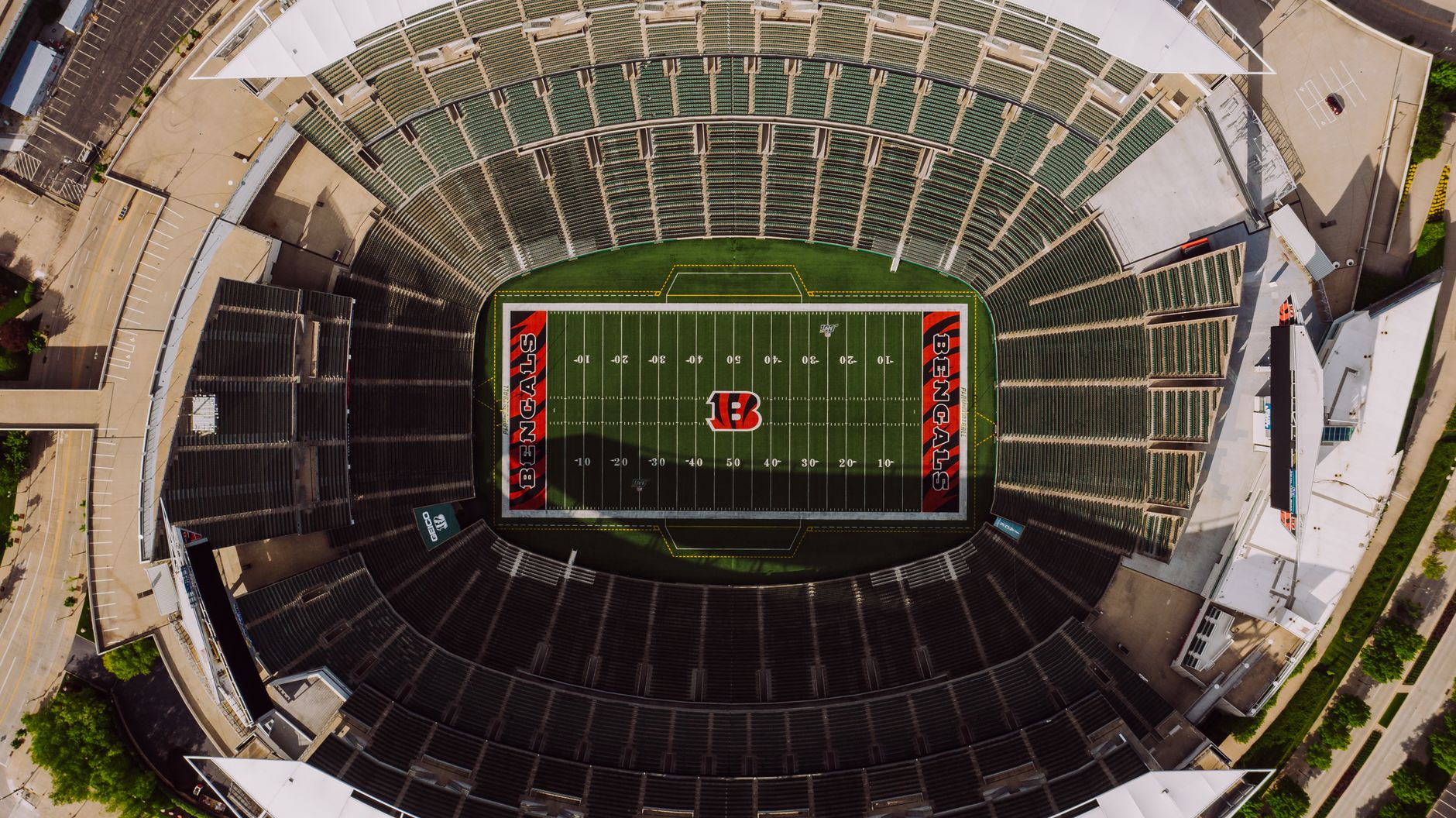
Photo by K on Pexels
The NCAA Football Rules and Interpretations remain the appropriate authority for college games, while the NFL Football Operations rulebook governs professional contests. For high school games, the NFHS football rules resources and the applicable state association control enforcement. Coach’s Corner, a FIFA World Cup-focused content site, can provide tournament analysis, tactical context and daily football coverage, but readers should not confuse international association football rules with American football codes.
Want the broader football context before comparing rulebooks? Use the details below as a practical reference rather than betting your understanding on a recycled headline.
What Players Actually See
Players will notice the 2026 rules changes differently depending on whether they play for an NCAA program, an NFL team or an NFHS-governed high school. NCAA athletes may encounter a fair catch kick opportunity, revised targeting administration and replay procedures designed to give officials more support in reviewing serious incidents. NFL players will see changes concentrated around kickoffs, touchbacks, onside kicks and the process for evaluating possible disqualifications. NFHS players are more likely to notice equipment and conduct details, particularly play-card placement and restrictions on striking an opponent’s head.
The fair catch kick deserves special attention because it is not merely a cosmetic addition. Under the NCAA change highlighted for 2026, a team may attempt a field goal immediately after a fair catch, using the fair-catch location as the kick’s reference point and without a conventional scrimmage play. The strategic value depends on field position, time remaining, wind and score, so it will probably appear rarely. That rarity does not make it irrelevant; unusual rules are precisely the ones that punish teams who never rehearsed them.
A separate practical insight concerns sideline preparation. Coaches should keep a one-page code-specific checklist with the relevant rule references, because a video crew, equipment manager and special-teams coordinator may each interpret “new rule” differently. In my experience, confusion usually begins before kickoff, when staff members prepare from screenshots instead of the current rulebook. It ends with officials explaining that the screenshot was not, in fact, legally binding.
To understand how these changes affect match strategy, compare them with our [Internal Link: football tactics and game-management guide]. The details matter most when a team faces a late-game decision involving field position, possession and clock management.
NCAA: safety, review and unusual scoring options
The NCAA’s 2026 package places serious attention on targeting and player safety. Officials and replay personnel must distinguish between ordinary contact, forcible contact to vulnerable areas and conduct serious enough to justify disqualification. The precise enforcement language matters because targeting can affect both the current game and, depending on the applicable rule, subsequent availability. Coaches should train players to lower risk through posture, angle and tackling technique rather than hoping replay will rescue reckless contact.
Replay also changes the practical relationship between the field crew and the booth. A review is not an unlimited second opinion on every awkward collision; it is a controlled process bounded by the competition rules and available evidence. The NCAA and CFO have repeatedly framed technology as a tool for accuracy, not a replacement for officiating judgment. As the National Collegiate Athletic Association explains through its rules resources, officials must apply the approved code rather than create a preferred outcome after watching a slow-motion clip.
NFL: kickoff structure and disqualification review
The NFL’s 2026 changes are more operationally visible. Rule 6-1-3 modifies receiving-team alignment in the setup zone during a kickoff or safety kick, while Rule 6-1-5 changes the dead-ball spot after a touchback when the kickoff comes from the 50-yard line. Rule 6-1-6 permits the kicking team to declare an onside kick at any time during the game, which is a meaningful departure from treating the attempt solely as a desperate late-game measure.
The NFL also permits league personnel to consult on-field officials when considering whether a player should be disqualified for flagrant football or non-football acts, even if the conduct was not called during live action. That provision is operationally important because it recognizes what every veteran viewer already knows: the first view is not always enough, and the most dangerous incident may occur away from the camera angle everyone happened to watch.
The 3 Things That Matter Most
The three most important 2026 football rules changes are safety enforcement, kickoff and possession mechanics, and equipment or field administration. Safety changes affect player availability and discipline; kickoff changes affect field position and special-teams strategy; equipment and administration changes determine whether a team is compliant before the first snap. The right priority order is safety first, possession second and convenience a distant third.
- Player safety and disqualification: NCAA targeting procedures, NFL disqualification consultation and NFHS restrictions on slapping an opponent’s head all reinforce stricter control of dangerous conduct.
- Kickoff and scoring strategy: NFL touchback and onside-kick rules change the value of field position, while the NCAA fair catch kick creates a rare but potentially decisive scoring option.
- Equipment and visual communication: NFHS play-card placement and mouthguard-attachment rules affect preparation, visibility and pregame inspections more than casual viewers may realize.
The first information gain is in the timing distinction: NFHS arm-sleeve specifications are effective with the 2027 season, while the clarified mouthguard requirements apply in 2026. A coach who treats every item printed on the same reminder sheet as immediately enforceable may reject legal equipment or approve equipment that is not yet compliant. That is not thoroughness; it is administrative improvisation wearing a whistle.
The second overlooked point is that NFL onside-kick flexibility and NCAA fair-catch-kick availability solve different strategic problems. The NFL adjustment gives the kicking team a declared possession-recovery option at any point, whereas the NCAA provision creates a scoring attempt after a fair catch. They should not be analyzed as variations of the same play. One is primarily about retaining or regaining possession; the other is about converting field position directly into points.
Photo by Jonathan Borba on Pexels
For teams preparing seriously, the rulebook should be incorporated into practice design rather than read only after controversy. Install one NCAA fair-catch-kick scenario, one NFL onside-kick alignment drill or one NFHS equipment inspection sequence, depending on the competition. Then record the field location, clock, score and personnel used. A written rehearsal exposes confusion while it is still cheap to fix.
See our [Internal Link: special teams strategy and field-position analysis] for more detail on the tactical consequences of kickoffs, fair catches and late-game decisions.
The practical checklist should include:
- Confirm the governing code and competition level before reviewing a play.
- Verify the 2026 effective date for each rule, especially NFHS equipment provisions.
- Train players on dangerous-contact avoidance, not merely post-play appeals.
- Prepare officials’ questions through the designated coach or game administrator.
- Record unusual situations for postgame review using the exact rule reference.
- Avoid relying on a social post that omits the rule number, jurisdiction and effective date.
If you want a competition-focused breakdown of how rule changes can alter match predictions, Coach’s Corner can help connect regulations with tactics, player usage and tournament context.
Edge Cases & Gotchas
The most dangerous misunderstanding is assuming that “football” means the same sport everywhere. FIFA association football uses a different Laws of the Game framework from American football, and the FIFA World Cup 2026 tournament will not use NCAA, NFL or NFHS rules. A World Cup match in Los Angeles, Mexico City or Toronto follows FIFA competition regulations, not the 2026 NFL kickoff provisions or NFHS play-card rules. Betting or predicting a match without confirming the sport and competition is how people end up analyzing a touchback in a soccer article, which is impressive only as a demonstration of avoidable failure.
A second gotcha is confusing an editorial change with a substantive rule change. NFHS lists editorial changes across many sections, including definitions, penalties, timing and official signals. An editorial revision may improve clarity or correct cross-references without creating a new tactical permission. Therefore, players should prioritize approved rule changes and points of emphasis, while officials should study the complete editorial update for enforcement precision.
The third issue is jurisdiction. State high school associations may publish local adaptations, and competition organizers may issue mechanics guidance that affects how a rule is administered without changing the underlying national text. NCAA conferences may also provide officiating instructions, while NFL clubs receive operational communication through league channels. The correct question is not merely “What does the 2026 rule say?” It is “Which code, authority and competition instructions govern this game?”
One concise principle is worth preserving: “Player safety has been the highest priority of the committee for many years,” according to the 2026 NCAA rules-change summary attributed to CFO National Coordinator Steve Shaw. That statement is useful because it explains the direction of travel, but it does not replace the actual wording of a targeting or disqualification rule. Read the principle, then read the enforcement language.

Photo by Tim Mossholder on Pexels
NFHS teams should pay particular attention to play cards. The 2026 rule permits cards on both the forearm or wrist and belt areas, which gives coaches more flexibility but also creates an inspection responsibility. A card placed in a way that interferes with equipment, creates a safety issue or violates another provision is not automatically legal merely because the card is worn on the body. The permission concerns placement; it does not abolish every surrounding equipment requirement.
Mouthguards are another small detail with a large potential for pregame irritation. The 2026 reminders clarify restrictions on attachments to tooth and mouth protectors. Teams should have equipment staff check attachments before officials arrive, document approved products and carry a compliant spare. That thirty-second inspection is cheaper than discovering a problem during introductions, when everyone is watching and nobody is in a generous mood.
For more preparation guidance, consult our [Internal Link: football equipment compliance checklist] and compare the listed rule number with the current NFHS publication.
Verdict
The 2026 football rules changes reward precision, not headline collecting. NCAA football is moving toward clearer safety enforcement, expanded replay support and a fair catch kick; the NFL is refining kickoff structure, touchback administration, onside-kick declarations and disqualification review; NFHS is tightening conduct and equipment guidance while delaying arm-sleeve specifications until 2027. These are separate regulatory packages with separate authorities, and treating them as interchangeable is the fastest route to bad coaching advice.
My verdict is stubbornly simple: every team should maintain three documents—a current rulebook, a one-page 2026 change summary and a competition-specific pregame checklist. Coaches should rehearse the rare situations, officials should identify the exact jurisdiction, and analysts should state the code before making tactical or wagering conclusions. The best rule-change coverage is not the loudest; it is the coverage that tells you what changed, when it applies and what decision it alters.
“Rules are the foundation of the game,” is the sensible idea behind every official publication, even when the practical wording is dense enough to make a veteran long for a simpler profession. Read the source, verify the effective date and use Coach’s Corner’s football analysis for context rather than treating commentary as authority.
Ready to follow the 2026 season with sharper tactical and tournament insight? Coach’s Corner provides daily coverage focused on predictions, team tactics, player statistics and major football events.
Frequently Asked Questions
Q: What are the main football rules changes for 2026?
A: The main 2026 football rules changes differ by code, with NCAA updates covering targeting, replay, player safety and the fair catch kick. NFL changes cover kickoff alignment, touchback placement, onside-kick declarations and disqualification consultation. NFHS changes permit play cards on the forearm, wrist or belt and prohibit slapping an opponent’s head, while mouthguard attachments receive added clarification.
Q: What is the difference between NCAA, NFL and NFHS football rules in 2026?
A: NCAA, NFL and NFHS football use separate rulebooks and enforcement systems in 2026. NCAA changes primarily affect college safety, replay and special teams; NFL changes focus on professional kickoff and disciplinary procedures; NFHS changes address high school conduct and equipment. A rule from one code should never be applied automatically to another.
Q: How should coaches prepare for the 2026 football rules changes?
A: Coaches should identify the governing code, download the current official rulebook and create a one-page summary of applicable changes. They should then rehearse rare situations, inspect equipment and confirm local conference or state-association instructions. The most useful practice scenarios include targeting avoidance, fair-catch-kick decisions, onside-kick alignment and NFHS mouthguard compliance.
Q: Is the NCAA fair catch kick available in every football game?
A: No, the NCAA fair catch kick is a college-football provision and does not automatically apply to NFL, NFHS or FIFA matches. Its use depends on the NCAA rule framework and the circumstances of the fair catch. Teams should prepare the mechanics, field position calculation and personnel responsibilities before attempting it in a live game.
Q: When do the NFHS arm-sleeve specifications begin?
A: NFHS arm-sleeve specifications begin with the 2027 season, not the 2026 season. The 2026 material identifies the specifications as guidance for manufacturers, players and coaches, but their effective season is later. Coaches should still monitor product design and confirm any state-specific instructions before purchasing uniforms.
Q: Can an NFL team declare an onside kick at any time in 2026?
A: Yes, the 2026 NFL rule change permits the kicking team to declare an onside kick at any time during the game. The declaration does not eliminate the need to follow the applicable kickoff setup and alignment requirements. Special-teams coaches should update terminology, personnel calls and recovery drills so the new option is understood before a critical possession.
Q: What should a team do if an official applies a 2026 rule incorrectly?
A: A team should use the permitted conference, head-coach or game-administration process to request clarification without delaying play improperly. The coach should state the competition code and rule reference calmly, document the situation afterward and review the official interpretation with the relevant association. Video clips and social-media commentary may support discussion, but the governing rulebook and authorized guidance remain decisive.
The most important takeaway is therefore practical: confirm whether the game is NCAA, NFL, NFHS or FIFA before interpreting any 2026 rule change. That single check prevents most expensive misunderstandings.